Whole-wheat and multigrain loaves are where cheap bread machines quietly fall down. Whole-grain flour is heavier than white, it drinks up more water, and its sharp bran fragments physically cut the gluten strands a loaf needs to trap gas and rise. The result, on a machine that treats every loaf the same, is a squat, damp, pale-crowned brick. Baking a good whole-wheat loaf in a machine isn't about the longest program list on the box — it's about a machine that can knead the dough longer, rest it, give it a longer or warmer rise, and then brown the whole loaf evenly. These three do that, ranked in the order we'd recommend them.
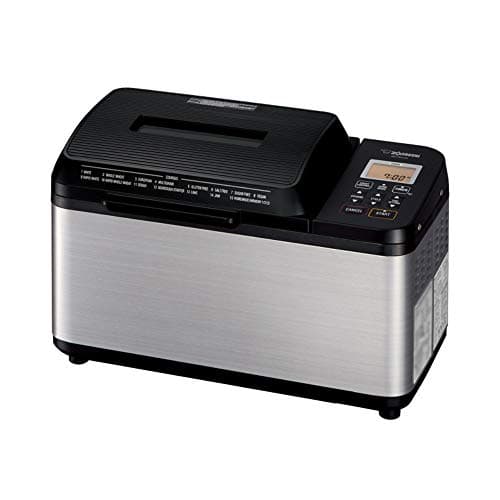
The Zojirushi Virtuoso Plus is the pick, and the reason is control plus heat. Its three programmable custom courses let you set your own knead, rise and bake times — which is exactly the lever a dense flour needs, since you can lengthen the kneading to build what gluten the bran will allow and stretch the rise to give a heavy dough time to lift. Its dual heaters, an element in the lid as well as the base, then brown the top of a whole-wheat loaf that single-heater machines leave pale and soft. Add the horizontal two-paddle pan for a standard sliceable shape and it's the machine least likely to leave you fighting your flour. It's the priciest here and has the largest footprint, but for a regular whole-grain baker the premium buys visible results. We cover it in full in our Zojirushi Virtuoso Plus review.
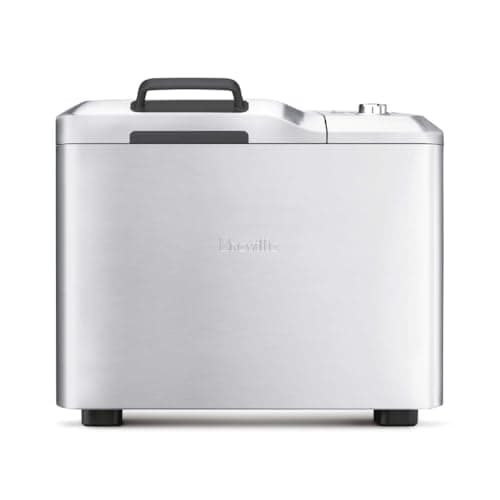
The Breville Custom Loaf is the flexible second choice. Its wide settings range and four loaf sizes from one to two and a half pounds matter more for whole wheat than for white bread, because whole-grain dough rises less predictably and a size mismatch shows up as a coarse, sunken crumb — being able to match the pan to the recipe helps. The collapsible paddle that folds down before baking leaves a smaller hole in a denser loaf, and the automatic fruit-and-nut dispenser is a genuine treat for the seeded, studded multigrain loaves whole-wheat bakers tend to gravitate toward. The honest catch is the same one it has everywhere: it carries a premium price close to the Zojirushi, and it has far more settings than a casual baker will ever touch. If tinkering with a heavy dough is the fun part, though, this is the machine that says yes.
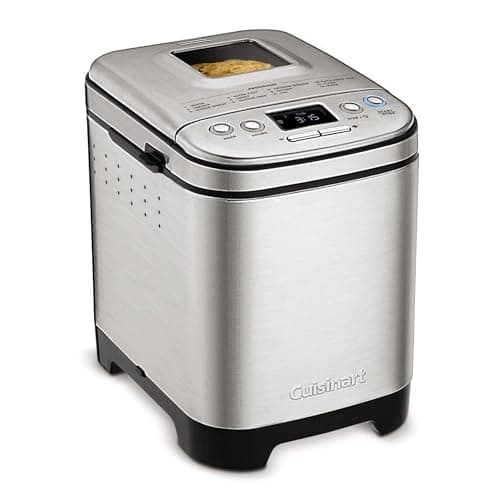
The Cuisinart Automatic Bread Maker is the value option and our number three. Twelve programs cover the whole-wheat basics, three crust shades let you nudge a pale whole-grain crown a shade darker, and a compact vertical body tucks under most cabinets — a lot of capability for a lot less money. The honest trades are the ones that matter most for dense flour: a single paddlebakes a taller, more square loaf with a bigger hole in the base, and its browning is less even than the Zojirushi's top-and-bottom heat, which shows up soonest on a heavy whole-wheat loaf that already struggles to color its crown. For most kitchens that gap never registers; for a daily whole-grain baker chasing the best loaf, it's exactly why it ranks third. Our Cuisinart CBK-110 review goes deeper.
So the order tracks how seriously you take whole grain. If it's most of what you bake and you want the best result, the Zojirushi's programmable courses and even heat are worth the premium. If you like to fiddle with sizes and add-ins, the Breville flexes further. And if you want a capable whole-wheat machine for the least money and can live with a taller loaf and a slightly paler crown, the Cuisinart is the smart buy. None is a mistake; the ranking is about which strengths match a flour that punishes a machine with no room to adjust.
What actually makes a good whole-wheat bread machine
Whole-wheat baking asks more of a machine than white bread does, and the features that help are specific. Here's what to weigh, roughly in order of how much difference it makes to a dense loaf.
Why whole-grain flour is harder on a machine
White flour is mostly starch and gluten-forming protein. Whole-wheat and multigrain flours keep the bran and germ, and that changes everything the machine has to do. The bran is thirsty, so the same recipe needs more water or the dough bakes dry. Worse, bran fragments are sharp and physically shear the gluten network as it forms, so a whole-wheat dough builds less structure and traps less gas — which is why it rises lower and bakes denser. A machine that can't adjust its kneading and rise to compensate is fighting the flour on every loaf.
A real whole-wheat cycle, not just a label
A dedicated whole-wheat program is the baseline. A good one does two things a basic white cycle doesn't: it kneads longer, to coax as much gluten as possible out of a flour that resists building it, and it gives the dough a longer rise, because a heavier dough needs more time to lift. Some machines also add a preheat or rest phasebefore kneading — the dough sits so the bran can fully hydrate and soften, much like an autolyse in hand baking, which makes the flour easier to knead and the crumb less coarse. Check the machine's cycle chart for an actual whole-wheat course with an extended time, not just a recipe printed in the booklet that runs on the standard setting.
Programmable rise is the real upgrade
The single feature that separates a good whole-wheat machine from a great one is the ability to set your own rise and knead times. Whole-grain and multigrain doughs vary a lot — different bran contents, seeds, and added grains all rise at different rates — and a fixed preset can't suit all of them. The Zojirushi's three programmable custom courses let you dial in a longer knead and a longer rise for a stubborn dough, and the Breville's settings range gives similar room. That programmability is why both sit above the fixed-preset Cuisinart for a committed whole-grain baker, even though the Cuisinart bakes a perfectly good loaf on its whole-wheat program.
Even heat matters more for a dense loaf
A heavier whole-wheat loaf has more mass to bake through, and its crown is the part most likely to come out pale and gummy on a machine that heats only from the base. This is where the Zojirushi's dual heaters earn their keep: a second element in the lid browns the top of a dense loaf that a single bottom element leaves under-baked. If your whole-wheat loaves keep coming out with a pale, soft, slightly damp crown, uneven heat is usually the reason — and it's the same mechanism behind a gummy machine loaf.
Loaf size and paddle shape
Because whole-grain dough rises less, getting the loaf size right matters more than it does for white bread — too much dough for the pan sinks and bakes coarse, too little bakes squat. The Breville's four sizes let you match the pan to the recipe, and its collapsible paddle leaves a smaller hole in a loaf that's already dense. A horizontal two-paddle pan, like the Zojirushi's, also kneads a heavy dough more thoroughly than a single paddle can. If your loaves keep sinking, our guide to dense bread-machine loaves walks through the fixes.
Multigrain, seeds and add-ins
Multigrain loaves push every one of these problems a step further. Cracked grains, oats, seeds and other add-ins bring more weight for the dough to lift and more hard fragments to interrupt the gluten, so a machine needs even more kneading muscle and rise time to turn out a light multigrain loaf than a plain whole-wheat one. Two features earn their keep here. Soaking the grains first — either overnight or by using a delay-timerso the ingredients sit in the pan before the cycle begins — softens hard grains so they don't tear the crumb or stay gritty, and every machine here offers a delay timer to make that easy. And an automatic fruit-and-nut dispenser, like the Breville's, drops seeds and nuts in near the end of kneading rather than at the start, so they stud the loaf instead of being ground to paste in the initial mix. If you like a seeded, hearty multigrain loaf, those two features matter as much as the whole-wheat cycle itself.
Two things that help outside the machine
A little vital wheat gluten added to a whole-wheat recipe replaces some of the structure the bran shears away, giving a taller, lighter loaf — it's the single most effective tweak most whole-grain machine bakers make. And weighing your flour instead of scooping it matters more here than for any other bread, because whole-wheat flour packs differently than white and a heavy scoop throws the hydration off on a dough that's already fussy about water. A kitchen scaleis the cheap fix for that. If you're still weighing machines against each other overall, our best overall bread machines roundup covers these three across every use, not just whole grain.
The bottom line for whole-grain bakers
Rank these three by how much whole-grain baking you do. If it's most of what you make, the Zojirushi's programmable courses and dual heaters are worth the premium — you can lengthen the knead and rise a dense flour demands and brown the crown a single-heater machine leaves pale. If you bake varied multigrain and studded loaves and enjoy dialing them in, the Breville's loaf sizes, settings range and automatic dispenser flex the furthest. And if you want a capable whole-wheat machine for the least money and can accept a taller loaf with a slightly paler crown, the Cuisinart is the honest value pick. All three bake a good whole-wheat loaf; the difference is how much control they give you over a flour that punishes a machine with none.