Hub 05 · Guides
Buying guides & head-to-head comparisons
The decisions before the purchase — which type of machine, which brand, and whether you need one at all — answered plainly.
Before you compare individual models, there are bigger questions worth settling: do you need a stand mixer or would a hand mixer do? Should you buy a bread machine instead of a mixer entirely? Is the KitchenAid actually better than the Bosch, or just better known? Getting these right saves more money than picking the perfect model within the wrong category.
These guides answer the decision, not just the spec sheet. Each one lays out a clear "buy A if…, buy B if…" rule, shows the trade-off honestly, and links to the money pages once you know which way you're leaning. We make our money when you buy through our Amazon links, so we have every incentive to push you toward the pricier machine — and we don't, because a recommendation you regret is worth nothing to anyone.
If the question is whether you need a machine at all, start with stand mixer vs hand kneading — hand-kneaded bread is not worse bread, and the honest case for buying a mixer is about dough volume and stiffness rather than quality.
Start with whichever question is yours. If you already know the category, jump straight to the stand mixers, hand mixers or bread machines hubs.
We earn a commission when you buy through our Amazon links, at no extra cost to you. It never changes our rankings, and we say so when the cheaper product is the better buy. How this works.
Go deeper
Guides & Comparisons: the full guides
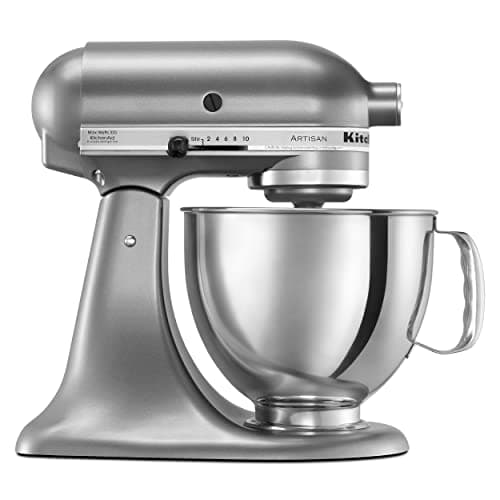
Comparison
Stand mixer vs hand mixer
A KitchenAid Artisan stand mixer against KitchenAid's own top hand mixer — what each does better, and the one question that settles it.
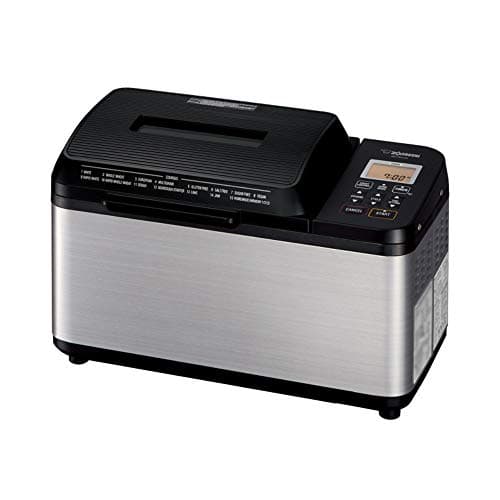
Comparison
Bread machine vs stand mixer
A Zojirushi bread machine against a KitchenAid Artisan stand mixer — why comparing them on price misses the point, and how to pick based on the bread you actually want.
Comparison
KitchenAid vs Bosch stand mixer
KitchenAid Artisan versus Bosch Universal Plus, head to head — ecosystem and everyday versatility against raw dough capacity and value.
Buyer's guide
Is a stand mixer worth it?
An honest gut-check on whether you need a stand mixer at all, with a simple way to weigh motor headroom against the dough you actually make.
Comparison
KitchenAid vs Cuisinart stand mixer
KitchenAid Artisan versus Cuisinart Precision Master — the attachment ecosystem and resale value against more bowl and rated motor per dollar.
Comparison
KitchenAid Artisan vs Classic
KitchenAid Artisan versus Classic — a half-quart of bowl and a little motor separate them, plus a price gap. The rule for which entry KitchenAid to buy.
Comparison
Tilt-head vs bowl-lift stand mixer
Tilt-head versus bowl-lift — everyday convenience and a lower price against stability, more bowl and heavy-dough headroom. The rule for which design to buy.
Buyer's guide
What wattage stand mixer do you need for bread?
Wattage is a weak predictor of kneading ability — drive design, gearing and dough capacity matter more. Here's how to read the specs and a practical rule for bread.
Comparison
Stand mixer vs food processor for dough
A stand mixer kneads slowly and steadily; a food processor cuts dough together in seconds. Which suits bread, which suits pastry, and how to decide.
Buyer's guide
Are bread machines worth it?
An honest gut-check on whether a bread machine earns its counter space, who it suits, and when a stand mixer or your own oven is the better buy.
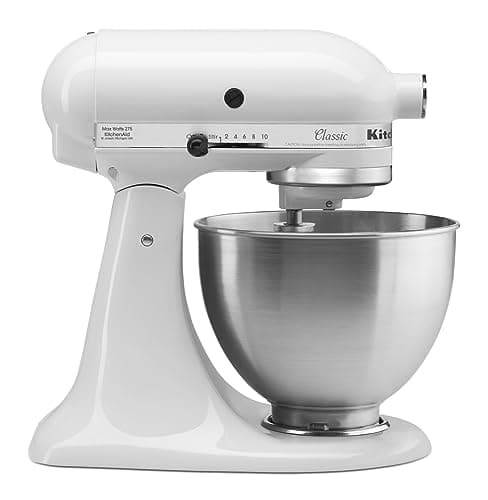
Comparison
KitchenAid vs Hamilton Beach stand mixer
A premium KitchenAid against a budget Hamilton Beach tilt-head — what the extra money buys in build, motor and ecosystem, and when the cheap one is genuinely enough.
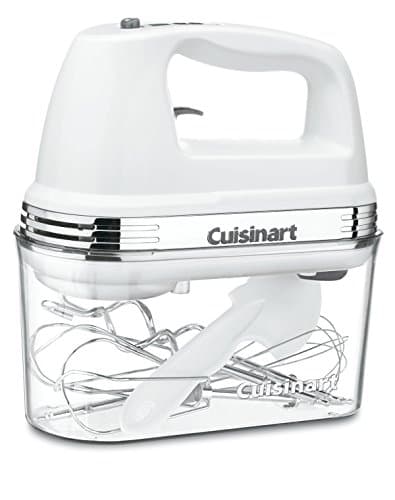
Comparison
KitchenAid vs Cuisinart hand mixer
The KitchenAid 9-Speed's soft start and low-speed control against the Cuisinart Power Advantage Plus's included hooks, whisk, case and value — with a clear buy-this-if verdict.
Comparison
Zojirushi vs Cuisinart bread machine
The Zojirushi Virtuoso Plus's dual heaters and horizontal loaf against the Cuisinart CBK-110's compact vertical build and value — with a clear verdict on who each one suits.
- Buyer's guide
Buyer's guide
How to knead dough in a stand mixer
Which hook to use, what speed to run, how long to knead, how to read the windowpane test, the signs of over-kneading, and why you sometimes still finish a dough by hand.
Read the guide → - Buyer's guide
Buyer's guide
Why is my bread machine bread dense?
Dense bread machine loaves usually trace to dead yeast, the wrong flour, liquid that's too hot, measuring by volume, the wrong cycle or too much whole grain. Here's the fix for each.
Read the guide → - Buyer's guide
Buyer's guide
How to use a bread machine
A beginner's walk-through: the ingredient loading order, choosing the cycle and crust shade, when to add fruit and nuts, using the delay timer, removing the paddle and cooling the loaf.
Read the guide → 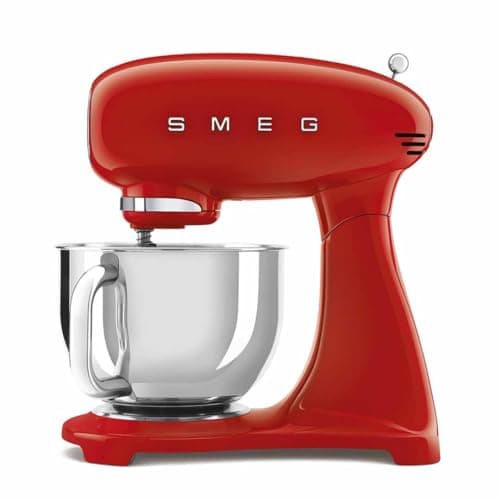
Comparison
SMEG vs KitchenAid stand mixer
The design-led SMEG SMF03 against the default-choice KitchenAid Artisan: where each wins on looks, build, dough performance, attachments and price — and how to choose.
Comparison
KitchenAid 5-quart vs 7-quart stand mixer
The 5-qt tilt-head Artisan against the 7-qt bowl-lift: capacity, dough stability, footprint and price, and the honest line between who needs the bigger machine and who doesn't.
Comparison
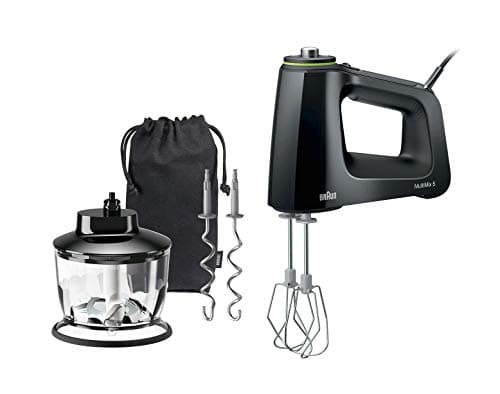
Braun vs KitchenAid hand mixer
The Braun MultiMix 5 against the KitchenAid 9-Speed Digital: power and bundled attachments versus soft-start control and finesse. Where each wins, and how to choose.
Comparison
Zojirushi vs Breville bread machine
The Zojirushi Virtuoso Plus against the Breville Custom Loaf: even dual-heater crust and a standard loaf shape versus loaf-size flexibility and an auto fruit-and-nut dispenser. How to choose.
Comparison
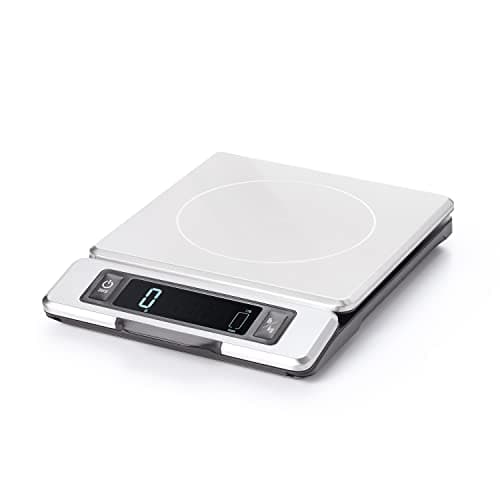
OXO vs Etekcity food scale
The premium OXO 11-lb scale against the budget Etekcity: both weigh accurately with tare, but the OXO adds a pull-out display and better build. When the extra money is worth it, and when it isn't.
- Buyer's guide
Buyer's guide
Stand mixer speeds explained
A plain-English guide to what stand mixer speeds do: which to use for creaming, kneading dough, whipping cream and egg whites, and folding — and why you almost always start slow.
Read the guide → - Buyer's guide
Buyer's guide
Do you need a kitchen scale for baking?
Why a kitchen scale is the highest-value tool in baking: weighing removes the biggest source of inconsistency, is faster and cleaner than cups, and costs very little. When volume measuring is still fine.
Read the guide → Comparison
Cuisinart vs Hamilton Beach hand mixer
Cuisinart Power Advantage 9-Speed against the Hamilton Beach 6-Speed — speeds, controls and what's in the box, and which is the smarter buy for how you bake.
Comparison
KitchenAid Classic vs Cuisinart Precision Master
KitchenAid Classic against the Cuisinart Precision Master — the KitchenAid ecosystem and resale value versus a bigger bowl, higher rated motor and beaters in the box.
Comparison
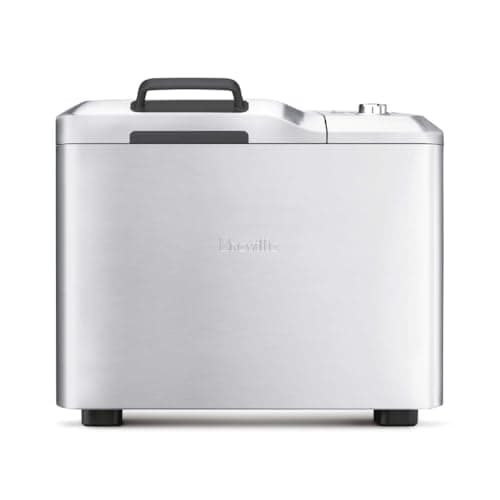
Breville vs Cuisinart bread machine
The Breville Custom Loaf against the Cuisinart CBK-110 — four loaf sizes and deep customization versus a compact footprint and a lower price. Which programmable machine to buy.
Buyer's guide
Planetary vs bottom-drive stand mixer
A mechanism explainer: how a planetary drive with the motor in the head differs from a bottom-drive design, across coverage, dough capacity, whipping small amounts and footprint.
- Buyer's guide
Buyer's guide
How many watts does a hand mixer need?
What wattage means on a hand mixer, why it's a weak predictor of real performance, and a practical rule for cake batter, cookie dough and limited bread dough.
Read the guide → - Buyer's guide
Buyer's guide
What can you make in a bread machine?
The honest range of what a bread machine can make — white and whole-wheat loaves, gluten-free bread, dough for pizza and rolls, jam, cake and quick breads — and where its limits are.
Read the guide → 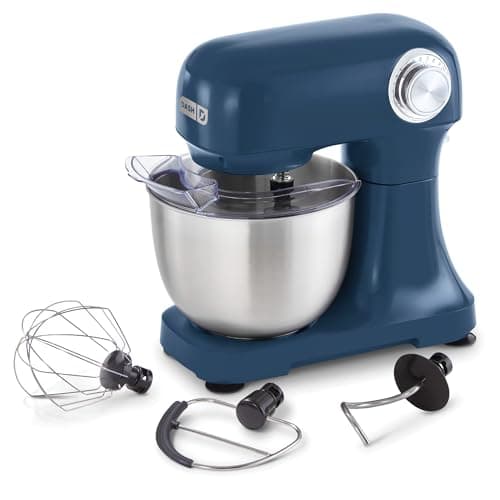
Comparison
Dash vs KitchenAid stand mixer
The mini Dash 3.5-qt against the entry KitchenAid Classic - price, capacity, motor and durability, and which cheap stand mixer is the smarter buy for how you bake.
Comparison
Zojirushi vs Hamilton Beach bread machine
The Zojirushi Virtuoso Plus against the Hamilton Beach 29882 - dual-heater crust control and a horizontal loaf versus a budget beginner price. Which bread maker fits how you bake.
Comparison
Cuisinart vs Hamilton Beach bread machine
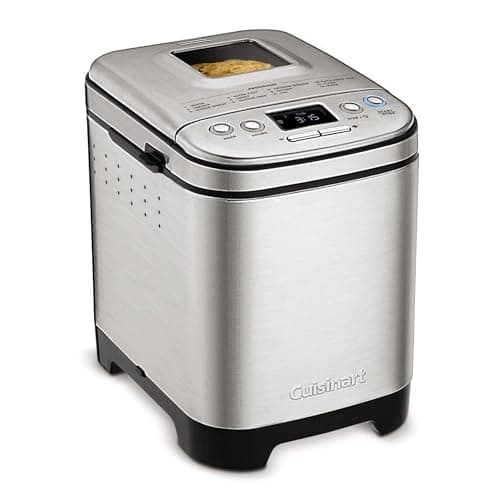
The Cuisinart CBK-110 against the Hamilton Beach 29882 - programs, crust control, delay timer and footprint. What the small step up in price buys you, and which to choose.
Comparison
Braun vs Cuisinart hand mixer
The Braun MultiMix 5 against the Cuisinart Power Advantage 9-Speed - rated power, ramp and a chopper versus value, dough hooks, a whisk and a storage case. Which hand mixer to buy.
- Buyer's guide
Buyer's guide
Hand mixer vs stand mixer for cookies
Which mixer you actually need for cookies: a hand mixer creams butter and mixes most drop-cookie doughs fine, while a stand mixer wins for big or stiff doughs and frequent baking.
Read the guide → Comparison
Digital vs analog kitchen scale
Digital vs analog spring scales for baking - why digital wins on 1-gram resolution and a tare button, where a spring scale still makes sense, and our two digital picks: the OXO and the budget Etekcity.
- Buyer's guide
Buyer's guide
Bread flour vs all-purpose flour
Bread flour vs all-purpose: the protein and gluten difference, what it does for chew and rise, when to use each, whether you can substitute one for the other, and how each behaves in a mixer or bread machine.
Read the guide → - Buyer's guide
Buyer's guide
Active dry vs instant yeast
Active dry vs instant (rapid-rise) yeast: whether you need to proof each, the near 1:1 substitution with a small quantity tweak, which to use in a bread machine, and how to store yeast so it stays alive.
Read the guide → - Buyer's guide
Buyer's guide
How to measure flour without a scale
How to measure flour accurately without a scale: the spoon-and-level method, why scooping packs in too much flour, fluffing first, cup-to-gram approximations, and why a scale is still the more reliable route.
Read the guide → - Buyer's guide
Buyer's guide
Hand mixer vs whisk
Hand mixer vs a hand whisk: when the powered mixer clearly wins (whipping cream, egg whites, creaming butter, thick batter) and when a balloon whisk is enough or better (small jobs, gentle folding, no cleanup).
Read the guide → - Buyer's guide
Buyer's guide
How long do stand mixers last?
How long stand mixers last: realistic lifespans, what wears out (gears, drive, worn grease), why cheaper machines die sooner, brand durability in general terms, and the maintenance that extends a mixer's life.
Read the guide → 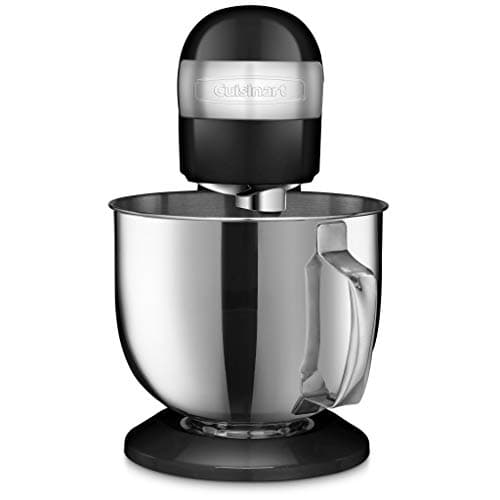
Comparison
Cuisinart vs Hamilton Beach stand mixer
The Cuisinart Precision Master and the Hamilton Beach 4-quart are two of the most affordable real stand mixers you can buy. The Cuisinart wins on bowl size, motor and refinement; the Hamilton Beach is the lightest, cheapest way onto the counter for occasional baking. Here's the honest case for each.
Comparison
Breville vs Hamilton Beach bread machine
The Breville Custom Loaf is the machine for someone who wants to program and fuss - several loaf sizes, an automatic fruit-and-nut dispenser and a collapsible paddle. The Hamilton Beach bread maker is the cheapest, lowest-risk way to try bread baking at all. Here's who each one suits.
- Buyer's guide
Buyer's guide
Baking soda vs baking powder
Baking soda and baking powder are the two chemical leaveners, and they are not interchangeable. Soda is a pure base that needs an acid and liquid to react; powder is a complete, usually double-acting leavener. Here's why recipes use one or both, and what happens if you swap them.
Read the guide → - Buyer's guide
Buyer's guide
Cake flour vs all-purpose flour
Cake flour and all-purpose flour differ in one thing that matters: protein. Cake flour's low protein makes a tender, fine crumb for delicate bakes; all-purpose is the do-everything middle flour. Here's when each matters, the DIY cake-flour substitute, and why weighing counts even more with low-protein flour.
Read the guide → - Buyer's guide
Buyer's guide
Self-rising flour vs all-purpose flour
Self-rising flour is all-purpose flour with baking powder and a little salt already blended in. It's a shortcut for biscuits, pancakes and quick breads - but the wrong flour for yeast bread. Here's when to use it, how to make your own, and how to adjust a recipe if you only have one on hand.
Read the guide → 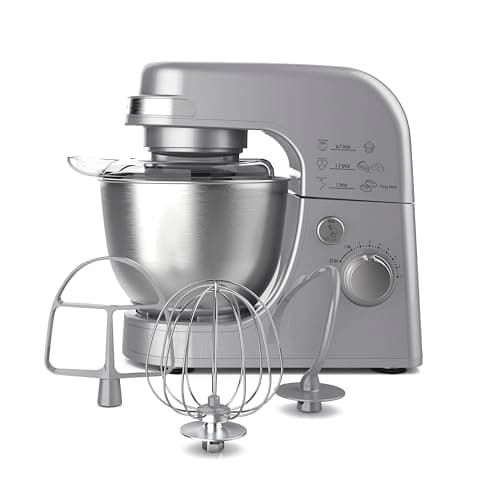
Comparison
Dash vs Hamilton Beach stand mixer
The Dash 3.5-quart mini and the Hamilton Beach 4-quart are two of the most affordable stand mixers on the market. The Hamilton Beach wins on bowl size, dough ability and value for most bakers; the Dash is the ultra-compact, ultra-cheap mini for a tiny kitchen or a first-timer. Here's the honest case for each.
Comparison
SMEG vs Cuisinart stand mixer
The SMEG 50s-style mixer and the Cuisinart Precision Master sit at opposite ends of the tilt-head market: the SMEG is a premium design piece with a die-cast body, the Cuisinart is a value workhorse with a bigger bowl and strong dough ability for far less money. Here's the honest case for each and which suits your kitchen.
- Buyer's guide
Buyer's guide
Hand mixer vs immersion blender
A clear guide to the difference between a hand mixer and an immersion (stick) blender: the hand mixer's beaters whip air into batters, cream and egg whites for baking, while the immersion blender's blade purees, blends and emulsifies soups, sauces and smoothies. Where each wins, why they can't substitute for each other, and whether a baker needs both.
Read the guide → - Buyer's guide
Buyer's guide
Silicone vs metal loaf pans
A practical comparison of silicone and metal loaf pans: why metal's heat conduction gives a browner, crispier, better-structured crust while silicone flexes for easy release and stores flat, how each handles bread versus quick breads, the support silicone needs, and which material to choose for the baking you do.
Read the guide → 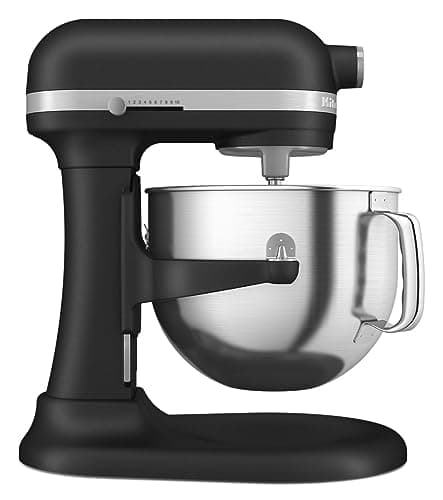
Comparison
KitchenAid 7-quart vs Bosch Universal Plus
The KitchenAid 7-quart bowl-lift and the Bosch Universal Plus are the two biggest home mixers most heavy bakers cross-shop. The KitchenAid wins on bowl size, cast build and the deepest attachment ecosystem; the Bosch wins on bottom-drive kneading, storage and value. Here's the honest case for each.
Comparison
SMEG vs Dash stand mixer
The SMEG 50s-style mixer and the Dash 3.5-quart mini sit at opposite ends of the tilt-head market. The SMEG is a premium, die-cast design icon that bakes capably; the Dash is a compact, budget entry for small kitchens and occasional baking. Here's the honest case for each and who should buy which.
Comparison
Braun vs Hamilton Beach hand mixer
The Braun MultiMix 5 and the Hamilton Beach 6-speed sit at opposite ends of the hand-mixer market: the Braun is the most powerful and flexible of the group, with a chopper and whisk and a SmartMix ramp, while the Hamilton Beach is the cheapest capable option for occasional whipping and batter. Here's the honest case for each.
Comparison
Zojirushi Virtuoso Plus vs Mini
The Zojirushi Virtuoso Plus and the Home Bakery Mini are the brand's flagship and its compact machine. The Virtuoso bakes a full 2-lb loaf with dual heaters for the most even crust and deep recipe control; the Mini bakes a right-sized 1-lb loaf in the smallest footprint. Here's the honest case for each and who should buy which.
- Buyer's guide
Buyer's guide
Whole wheat flour vs all-purpose flour
A practical guide to the difference between whole wheat and all-purpose flour: how whole wheat keeps the bran and germ (and more protein) while all-purpose is refined for a lighter crumb, how those differences change gluten, rise, texture and hydration, when to blend the two, and the best uses for each.
Read the guide → 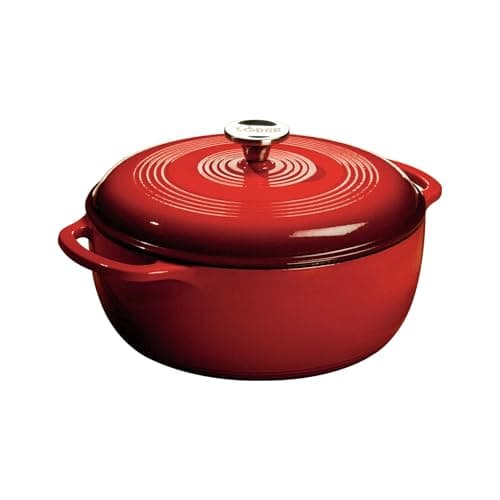
Comparison
Lodge vs Le Creuset Dutch oven
For bread, buy the Lodge 6-quart: it publishes the same 500°F ceiling as the Le Creuset, takes a standard boule with room to spring, and costs a fraction as much. The Le Creuset Signature 5.5-qt earns its money only if the pot is also your daily braiser - it is the one here Le Creuset lists as dishwasher safe, with a limited lifetime warranty. Four pots compared, with the sizing rule and honest cons on all of them.
Comparison
Zojirushi vs KBS bread machine
The Zojirushi Virtuoso Plus makes the better loaf - dual heaters, a horizontal two-paddle pan and three custom programs - and it costs a lot more. The KBS 17-in-1 gives you seventeen programs, a fruit-and-nut dispenser and a stainless body for a fraction of it, with a shorter durability record. Three machines compared, plus the compact Zojirushi for small households.
Comparison
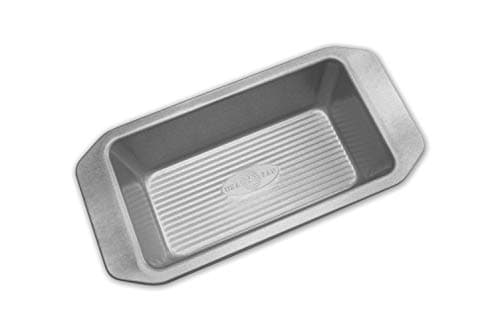
USA Pan vs Nordic Ware loaf pan
Buy the USA Pan 1-lb if you bake yeasted sandwich bread: it is a true 8.5 x 4.5 in, the size those recipes assume, in coated aluminized steel. Buy the Nordic Ware Naturals 1.5-lb if you bake banana bread and quick breads, because its 9.1 x 5.3 in interior matches the 9 x 5 pan those recipes call for. Four pans compared, with the uncoated bakery pan and the lidded Pullman.
Top pick: USA Pan American Bakeware Classics 1-lb Loaf Pan (1140LF)
Read the full guide →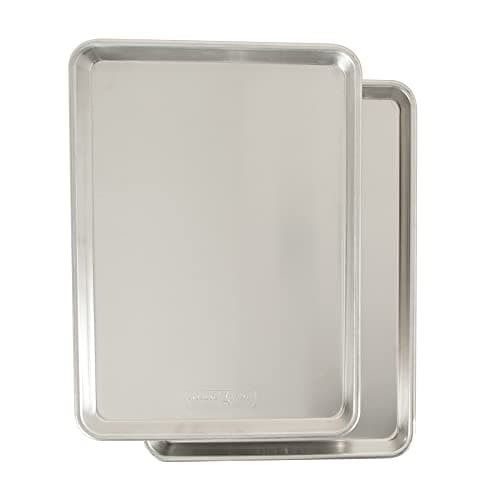
Comparison
Nordic Ware vs USA Pan baking sheets
Buy the Nordic Ware Naturals two-pack as your default: bare aluminum browns cookies the most evenly, has no coating to wear out and no published temperature ceiling to exceed. Buy the USA Pan two-pack if you want a release surface without PTFE and never roast above 450°F. Four pans compared, including the heavy-duty anti-warp pan and the quarter sheet.
Comparison
KBS vs Cuisinart bread machine
Buy the Cuisinart CBK-110 if you want the safer long-term bet: a compact vertical machine from an established brand with 12 programs, three crust shades and three loaf sizes. Buy the KBS 17-in-1 if you want the most machine for the money - 17 programs and an automatic fruit-and-nut dispenser at a mid-range price - and accept a shorter durability record. Four machines compared, with the one upgrade that beats both.
Comparison
Caraway vs Nordic Ware baking sheet
For nearly everyone, the Nordic Ware Naturals half sheet two-pack is the better buy: bare aluminum browns cookies more evenly than any coated pan, there is no coating to wear out, and you get two pans for a fraction of one Caraway. The Caraway earns its money on exactly two counts - a published 550°F ceiling and a coating Caraway lists as free of PTFE, PFOA and PFAS. Four pans compared.
Buyer's guide
Stand mixer vs hand kneading
If you bake one loaf a week, your hands are enough: hand kneading takes roughly 15-25 minutes against 8-12 in a mixer, and it is close to impossible to over-knead by hand. Buy the machine when the dough gets big, stiff or frequent - double batches, bagels, heavy rye, or baking that has become a weekly habit rather than an occasional one. Three mixers worth the money, plus the one hand tool that makes kneading by hand far less unpleasant.
Comparison
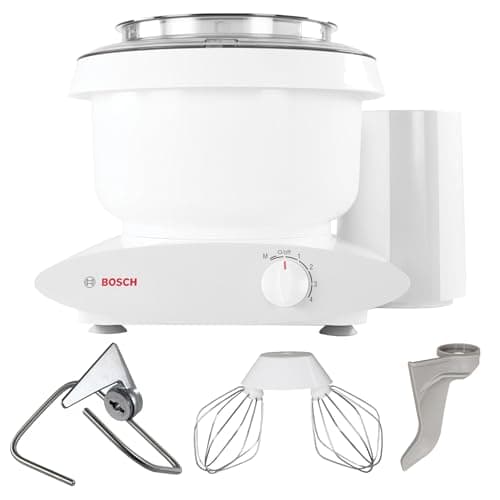
Bosch vs Cuisinart stand mixer
Buy the Bosch Universal Plus if bread is the reason you are buying a mixer - a bottom-drive 6.5-qt bowl rated around 5-6 lb of dough. Buy the Cuisinart Precision Master if you bake broadly: 5.5 qt, 12 speeds, a 500 W rated motor and the familiar tilt-head shape, usually for less. The KitchenAid Artisan is the middle path if attachments matter.
Comparison
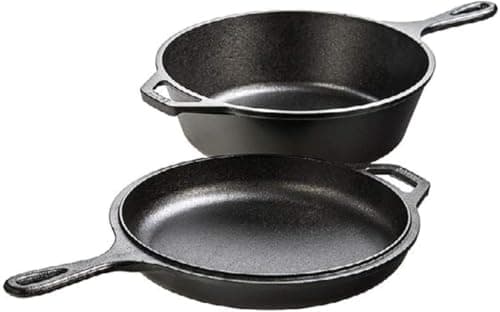
Combo cooker vs Dutch oven for bread
The Lodge Combo Cooker is the better bread vessel: you load the loaf onto a flat 10.25-inch skillet at counter height and cap it with the inverted pot, instead of lowering dough blind into a deep well. The 6-qt enameled Lodge is the better all-round pot - no seasoning, 500F rated, and it braises. Buy the combo cooker if bread is the job.
Comparison
Tramontina vs Lodge Dutch oven
Buy the Lodge 6-qt Essential Enamel if you bake bread: Lodge publishes a 500F ceiling, which clears the 475-500F preheat most no-knead and sourdough recipes specify. The Tramontina Bestow 6.5-qt is cheaper with more volume and a PTFE-free porcelain interior, but Tramontina rates it to 450F - fine for braising, short for a hot bread bake.
Comparison
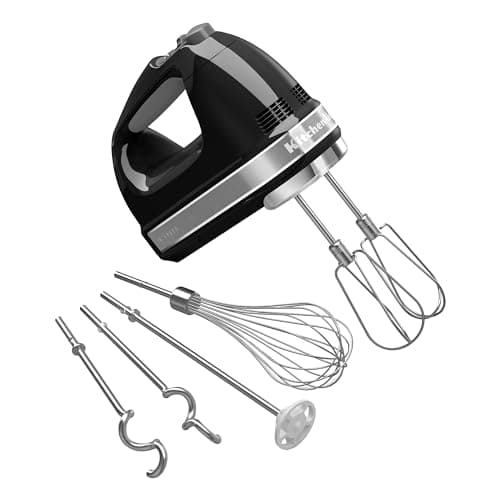
KitchenAid vs Hamilton Beach hand mixer
Buy the Hamilton Beach 62682 if you use a hand mixer a few times a month: six speeds, QuickBurst, a whisk and a snap-on case for the lowest price in the category. Buy the KitchenAid KHM926 if you bake most weeks and want soft start, nine speeds and the torque for stiff cookie dough. The Cuisinart HM-90S splits the difference and includes dough hooks.
Top pick: KitchenAid 9-Speed Digital Hand Mixer (KHM926)
Read the full guide →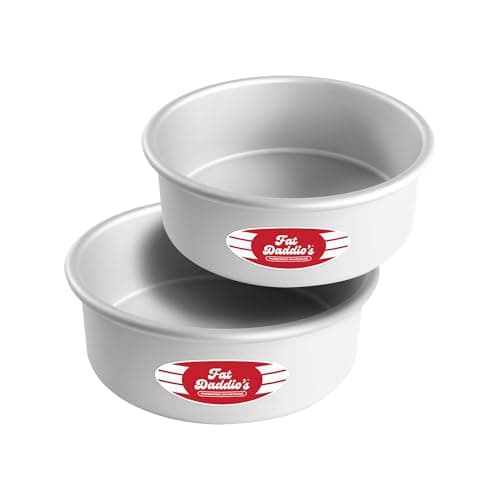
Buyer's guide
8-inch vs 9-inch cake pan
A 9-inch round has about 27% more surface area than an 8-inch, so the same batter bakes thinner and faster - drop 5 to 10 minutes and check early. Going the other way, 8-inch pans will overflow with a 9-inch recipe unless you hold back about a fifth of the batter. If you own one size, own 9-inch: it is the American recipe default.
Top pick: Fat Daddio's PRD-83SET Anodized Aluminum Round Cake Pans, 8 x 3 in, 2-Piece Set
Read the full guide →
Questions