People shopping for "something to make bread" often put a bread machine and a stand mixer side by side as if they compete. They don't — they do different jobs, and understanding that difference is the whole decision.
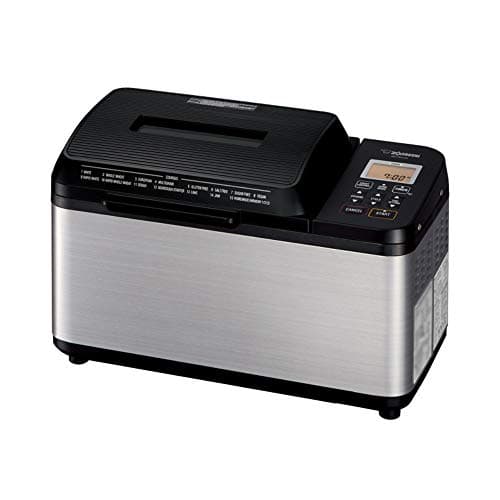
A machine like the Zojirushi Virtuoso Plusmixes, kneads, proofs and bakes a loaf inside one sealed pan, start to finish, with no hands involved after you add ingredients. You get a finished loaf, in the machine's own shape, on a timer if you want it. The trade is that you're baking inside its pan and its programs — you don't shape a boule, score a loaf, or bake two things in different pans at once.
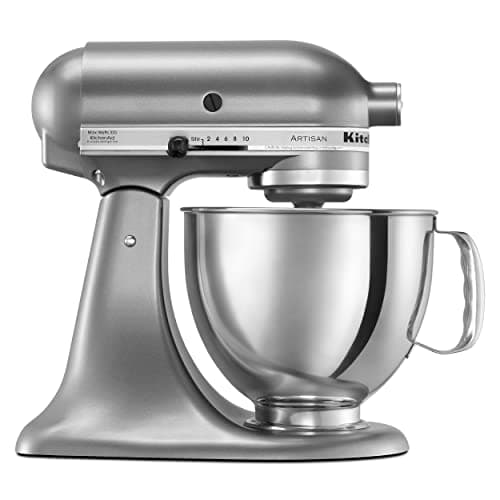
A stand mixer like the KitchenAid Artisanonly replaces the kneading — the hardest, most repetitive part of bread by hand. You still shape the dough yourself, proof it in whatever bowl or basket you choose, and bake it in a real oven, which means real crust, real oven spring, and any shape you want: boules, baguettes, dinner rolls, focaccia. It's more hands-on and more flexible, and it's the tool serious bread bakers eventually want regardless of what else they own.
Time of day matters too. A bread machine can be loaded before bed and timed to have a warm loaf waiting in the morning — something no stand-mixer-plus-oven routine can match, since dough still needs to be shaped and baked by a person who's awake. A stand mixer, on the other hand, fits into an active baking session: you're already in the kitchen, and the payoff is a loaf that looks and tastes like it came from a real oven rather than an appliance.
The rule: if what you want is a finished loaf with minimal involvement — set it, forget it, come back to bread — buy the bread machine. If you want to actually bake bread as a craft, with your own shapes and a real oven crust, buy the stand mixer and do the rest by hand. If you want both outcomes, most serious bakers end up owning both for different days.
Buy the bread machine if… / buy the stand mixer if…
Buy the bread machine if…
You want bread with the least possible hands-on time, you're happy with a pan-shaped loaf, and set-and-forget matters more than crust character. The best bread machines for beginnersguide covers lower-cost entry points if the Zojirushi is more machine than you need to start. It's also the better fit if you want a timer-baked loaf ready when you wake up, since a stand mixer and oven still need someone awake to shape and bake the dough.
Buy the stand mixer if…
You want oven-baked crust and real control over shape, hydration and proofing, and you're fine doing the shaping and baking steps yourself. The best stand mixers for bread doughguide covers the step up if you'll be kneading dense or high-volume dough often. It's also the right choice if bread is only one of the things you bake, since the same machine handles cakes, cookies and everyday mixing when it isn't kneading dough.
Why crust is the deciding detail for a lot of people
A bread machine's heating elements are built around its own pan, and even a dual-heater design like the Zojirushi's can't fully replicate the crust an open oven gives a hand-shaped loaf. If crust and crumb structure are why you bake bread, that alone tips the decision toward doing the kneading with a stand mixer and baking in your oven.
The realistic combo
Plenty of bakers use a bread machine purely for the dough cycle — let it mix and knead, then pull the dough out to shape and bake by hand. If that's appealing, it means you value the hands-off knead but still want oven crust, which usually points toward owning a stand mixer instead, since it does that one job with less machine to store.