Sourdough has a reputation for demanding a drawer full of specialist gear, and it's not deserved. The dough does the work; the baker mostly needs to stay out of the way. But there are a handful of tools that genuinely make real sourdough easier and better, and they're all cheap. This is the whole kit — nothing here is a gadget you'll use once.
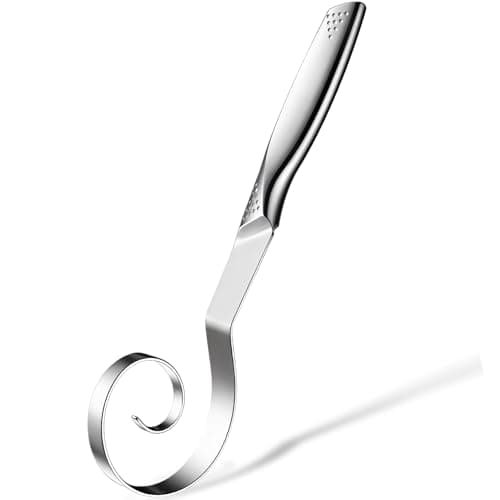
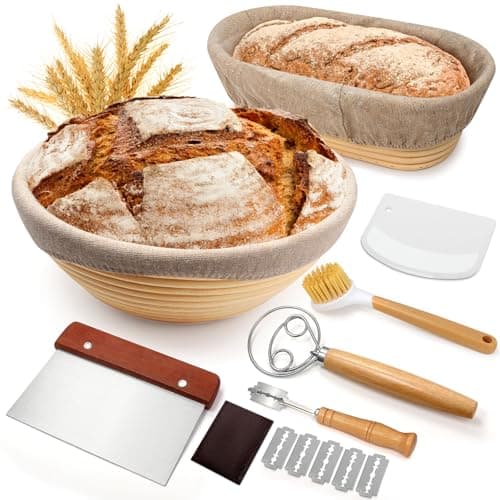
Start with the one purchase that changes the loaf you can make: a banneton (proofing basket) and lame set. The basket supports a wet dough during its final proof so it holds a shape instead of spreading into a puddle, and the lame scores the top so the loaf opens in the oven instead of bursting at a random seam. A set that bundles both — plus scrapers and liners — is the cheapest way to go from a flat pan loaf to a proper boule or batard. After that, a Danish dough whisk cuts through shaggy, high-hydration sourdough in the initial mix where a spoon just clogs.
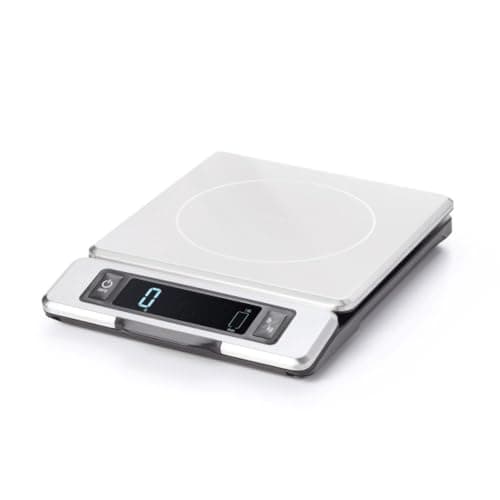
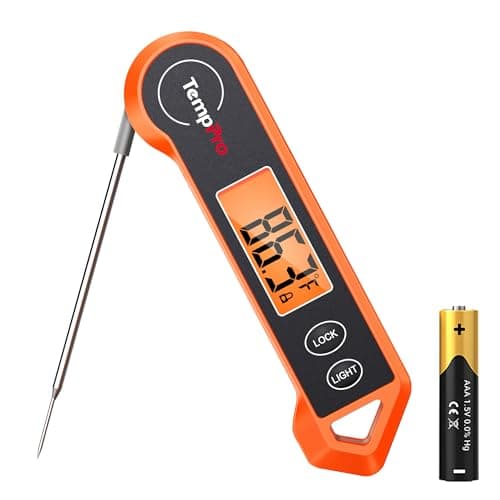
The other two are accuracy tools. A kitchen scalematters more for sourdough than almost any other baking, because sourdough lives and dies by ratios — hydration, starter percentage, salt — and you can't hit those by scooping cups. And a thermometersettles the one question every new sourdough baker gets wrong: whether the loaf is actually baked through, which is a matter of internal temperature, not the clock. None of this is expensive, and together it's genuinely most of what you need.
What each tool actually does — and what you can skip
The banneton and lame: shape and score
These are the two tools that separate a real hearth loaf from a pan loaf. The basket wicks a little moisture and holds the dough's shape through a long final proof; the lame lets you control where the loaf expands. Season a new rattan basket and flour it well for the first few bakes so the dough releases cleanly — the most common beginner frustration is dough sticking to an unseasoned basket.
The dough whisk: for the messy first mix
A Danish dough whiskis a few dollars and genuinely better than a spoon for bringing together a wet, sticky sourdough — its open coil head cuts through the shaggy mass without packing solid. It's a hand tool, not a mixer replacement, but for the initial mix and for no-knead doughs it's the right tool.
The scale: non-negotiable for ratios
Sourdough is the least forgiving common bake for sloppy measuring, because everything is a ratio to the flour weight. A kitchen scalewith a tare button turns hydration and starter percentages from guesswork into arithmetic. If you buy one tool on this page and don't already own a scale, buy the scale.
The thermometer: the honest doneness test
Crust color lies, and the clock lies more. A lean sourdough is done at an internal temperature in the neighborhood of 205–210°F; an instant-read tells you in a second whether you're there. Our bread thermometer guide covers the target temperatures and how to check without deflating the loaf.
What you can skip
You do not need a proofing box, a fancy starter jar, or a $200 Dutch oven to start — a lidded pot you already own works, a jar with a loose lid is fine, and warmth is just a spot on the counter. Buy the four tools above, and add the rest only if and when you feel a specific limit.