Skip to content
Plug & Prep

Hub 04 · Baking Gear

Baking gear that actually improves your results

The few accessories worth owning — a scale, a scraping beater, a dough whisk — ranked on what they change, with live prices.

Most "essential baking gear" lists are padded with things you'll use once. This one is short on purpose. There are only a handful of accessories that measurably change how your baking turns out, and the rest is clutter. We'd rather point you at the three that matter than sell you a drawer full of gadgets.

The single highest-impact upgrade is a kitchen scale. Weighing flour instead of scooping it removes the biggest source of inconsistency in baking — a "cup" of flour can vary by 30% depending on how you scoop — which is why every serious recipe is now written in grams. After that, the accessories are about saving effort: a flex-edge beater that scrapes the bowl so you stop stopping to do it by hand, and a Danish dough whisk that cuts through sticky no-knead and sourdough batter where a spoon just clogs.

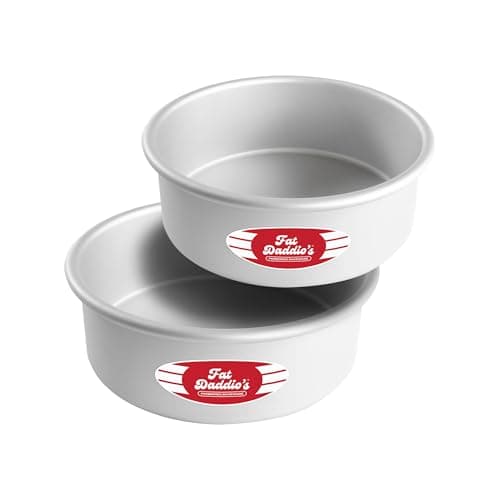
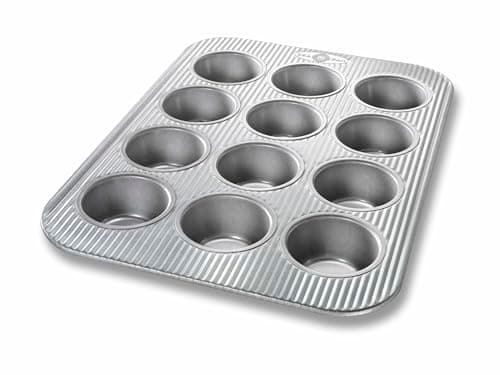
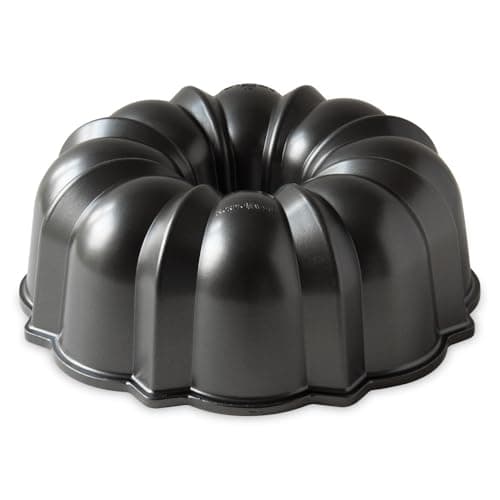
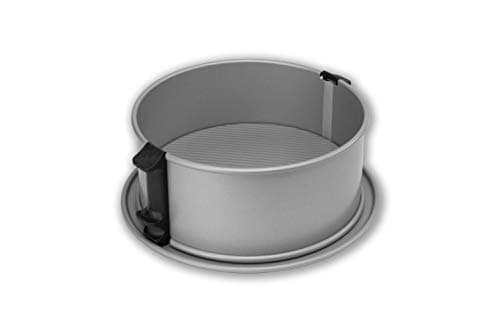
Below, the three ranked with live prices, plus guides to stand-mixer attachments and to choosing a scale. Bakeware gets the same treatment: our best loaf pans roundup sorts six pans by the bread you actually bake, from an everyday 8.5 x 4.5 to a lidded Pullman. Two more ranked pages sit alongside it: the best Dutch ovens for bread covers the lidded vessel that gets bakery crust out of a domestic oven, and the best baking sheets roundup sorts the pan you reach for more than any other. Two more join them this month: the best cake pans ranks the round layer pans by depth and surface, and the best cooling racks covers the cheapest piece of kit here and the one most likely to be missing. Three shaped-pan roundups join them: the best muffin pans ranks on the published well diameter nobody checks before buying, the best bundt pans sorts cast aluminum against steel and explains why capacity decides it, and the best springform pans starts from the leak every cheesecake pan has to answer for. If you're still deciding on the mixer itself, start with the stand mixers or bread machines hubs.

#ad

We earn a commission when you buy through our Amazon links, at no extra cost to you. It never changes our rankings, and we say so when the cheaper product is the better buy. How this works.

The short answer

Quick picks

#ProductBest forScorePrice
01
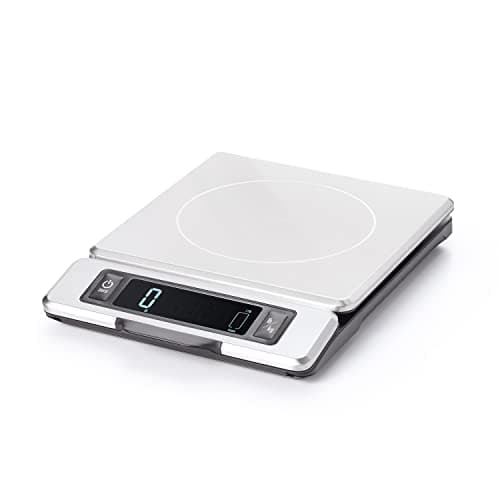
OXO OXO Good Grips 11-lb Food Scale
OXO Good Grips 11-lb Food Scale

The one upgrade that makes every recipe more consistent. Weighing flour instead of scooping it removes the single biggest source of variation in baking. The pull-out display clears a big bowl, and 0.1-oz / 1-g resolution is plenty.

Most-recommended baking upgrade
8.8
$62.95Amazon
02
Flex Edge Flex Edge Beater (KitchenAid-compatible)
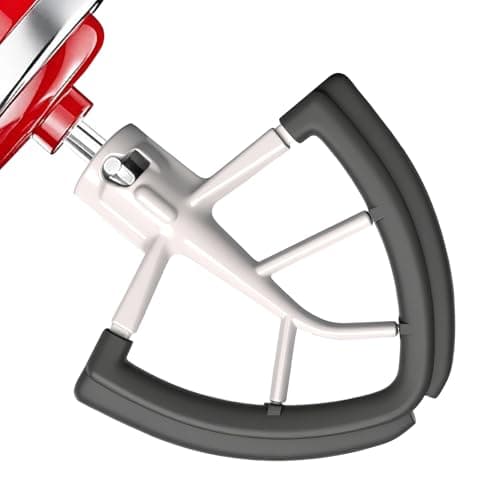
Flex Edge Beater (KitchenAid-compatible)

A silicone-edged flat beater that scrapes the bowl as it mixes, so you stop stopping to scrape by hand. For a tilt-head KitchenAid it's the single most useful accessory after the ones in the box.

Best stand-mixer add-on
8.1
$11.20Amazon
03
Danish Dough Whisk Danish Dough Whisk
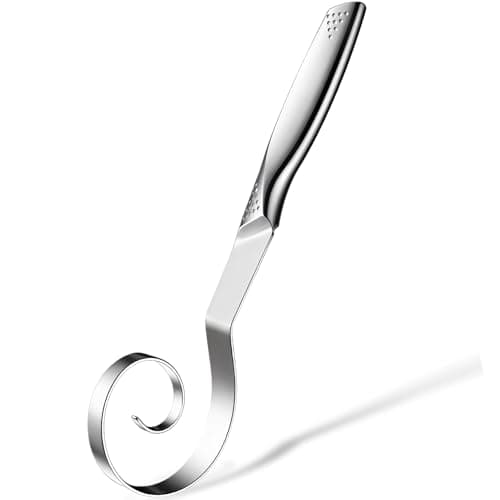
Danish Dough Whisk

The tool that makes hand-mixing wet dough less of a chore. The open stainless coil cuts through shaggy, sticky sourdough and no-knead batters without clogging the way a spoon or a balloon whisk does. A few dollars, genuinely useful.

Best hand tool for wet dough
8.0
$9.99Amazon

#ad · Live prices from the Amazon Product API, as of October 20, 2026. Where we have no verified live price we show none — a gap beats a number that has rotted.

In detail

The picks, in full

01
OXO OXO Good Grips 11-lb Food Scale

Most-recommended baking upgrade

OXO Good Grips 11-lb Food Scale

11-lb / 5-kg capacity0.1-oz / 1-g stepsPull-out displayTare / zeroStainless top
8.8/10

The one upgrade that makes every recipe more consistent. Weighing flour instead of scooping it removes the single biggest source of variation in baking. The pull-out display clears a big bowl, and 0.1-oz / 1-g resolution is plenty.

Accuracy
9
Build quality
8.5
Ease of use
9
Versatility
8.5
Value
9

Pros

  • Pull-out display reads clearly under a wide mixing bowl
  • Tare function makes multi-ingredient weighing effortless
  • Wipe-clean stainless top

Cons

  • Battery, not rechargeable
  • Overkill if you never bake by weight (but you should)

Don't buy this if…

…you genuinely only cook by volume and never bake — otherwise this is the highest-value tool on the site.

$62.95View on Amazon

Price as of October 20, 2026. Prices change — Amazon's at checkout is the one that counts.

#ad · we may earn a commission from this link to OXO Good Grips 11-lb Food Scale

02
Flex Edge Flex Edge Beater (KitchenAid-compatible)

Best stand-mixer add-on

Flex Edge Beater (KitchenAid-compatible)

Fits 4.5–5-qt tilt-headSilicone edgeScrapes as it mixesDishwasher-safe
8.1/10

A silicone-edged flat beater that scrapes the bowl as it mixes, so you stop stopping to scrape by hand. For a tilt-head KitchenAid it's the single most useful accessory after the ones in the box.

Accuracy
8
Build quality
7.5
Ease of use
9
Versatility
7.5
Value
8.5

Pros

  • Silicone wings wipe the bowl so you scrape far less
  • Great for creaming butter and sugar evenly
  • Cheap upgrade over the stock flat beater

Cons

  • Fits tilt-head 4.5–5-qt bowls only — check your model
  • Third-party build; verify compatibility before buying

Don't buy this if…

…you own a bowl-lift or non-KitchenAid mixer — measure and confirm fit first, or buy your brand's own version.

$11.20View on Amazon

Price as of October 20, 2026. Prices change — Amazon's at checkout is the one that counts.

#ad · we may earn a commission from this link to Flex Edge Beater (KitchenAid-compatible)

03
Danish Dough Whisk Danish Dough Whisk

Best hand tool for wet dough

Danish Dough Whisk

Stainless coil headFor high-hydration doughNo-clog designHand tool
8.0/10

The tool that makes hand-mixing wet dough less of a chore. The open stainless coil cuts through shaggy, sticky sourdough and no-knead batters without clogging the way a spoon or a balloon whisk does. A few dollars, genuinely useful.

Accuracy
7.5
Build quality
8
Ease of use
8.5
Versatility
7
Value
9

Pros

  • Cuts through sticky no-knead and sourdough batter cleanly
  • Doesn't pack with dough like a balloon whisk
  • Costs a few dollars and lasts

Cons

  • Only useful for wet doughs and batters
  • Wooden-handle versions need hand-washing

Don't buy this if…

…you already own or plan to buy a stand mixer for your dough — this is a hand-mixing tool.

$9.99View on Amazon

$11.8916% off

Price as of October 20, 2026. Prices change — Amazon's at checkout is the one that counts.

#ad · we may earn a commission from this link to Danish Dough Whisk

The gear that earns its drawer space

A scale is the upgrade to buy first

If you buy one thing on this page, buy a scale. Volume measurement is the biggest reason two bakers following the same recipe get different results — flour compacts, cups vary, and a heavy hand adds 30% without noticing. A scale with a tare button and 1-gram resolution makes every recipe repeatable, and a pull-out display (like the OXO's) stays readable under a wide mixing bowl.

Attachments: buy the ones you'll use weekly

The flex-edge beater is the rare accessory that earns its place — silicone wings wipe the bowl as it mixes, so you scrape far less and cream butter and sugar more evenly. Beyond that, most stand-mixer attachments (pasta rollers, grinders) are worth it only if you genuinely cook that way. Our attachments guide sorts the useful from the gimmick.

Hand tools for wet dough

If you make no-knead or sourdough breads, a Danish dough whisk is a few dollars well spent: its open coil head cuts through shaggy, high-hydration dough without packing solid the way a balloon whisk or spoon does. It's a hand tool, not a mixer replacement — but for the initial mix it's genuinely better.
Go deeper

Baking Gear: the full guides

  • The stand mixer attachments actually worth buying

    Buyer's guide

    The stand mixer attachments actually worth buying

    A flex-edge beater is the stand-mixer upgrade nearly everyone should own. The bigger PowerHub attachments only pay off if you'll genuinely use them.

    Top pick: Flex Edge Beater (KitchenAid-compatible)

    Read the full guide →
  • The best kitchen scale for baking by weight

    Buyer's guide

    The best kitchen scale for baking by weight

    Weighing flour instead of scooping it is the single biggest consistency upgrade in baking. The OXO 11-lb scale does it with a pull-out display and gram-level resolution.

    Top pick: OXO Good Grips 11-lb Food Scale

    Read the full guide →
  • The sourdough tools worth owning

    Roundup

    The sourdough tools worth owning

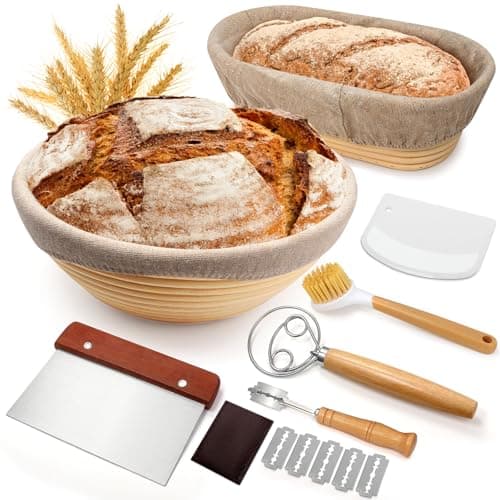
    A short, honest sourdough kit: a banneton-and-lame set to proof and score, a dough whisk to mix, a scale for accuracy and a thermometer for doneness.

    Top pick: Sourdough Proofing Basket Set (9" round + 10" oval)

    Read the full guide →
  • Do you need a thermometer for bread?

    Buyer's guide

    Do you need a thermometer for bread?

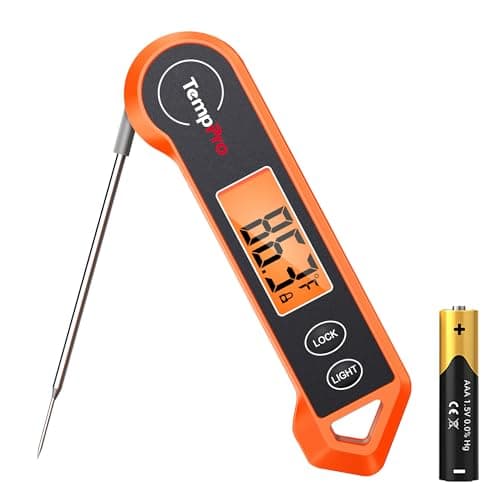
    Bread doneness is an internal temperature, not a clock time. A cheap instant-read thermometer ends the guessing — here are the target temps and the pick.

    Top pick: TempPro TP19H Instant-Read Thermometer

    Read the full guide →
  • Flex-edge beater review (KitchenAid-compatible)

    Review

    Flex-edge beater review (KitchenAid-compatible)

    A silicone-edged flat beater that scrapes the bowl as it mixes, so you stop pausing to scrape by hand. The single most useful cheap upgrade for a tilt-head KitchenAid.

    Top pick: Flex Edge Beater (KitchenAid-compatible)

    Read the full guide →
  • OXO Good Grips 11-lb Food Scale review

    Review

    OXO Good Grips 11-lb Food Scale review

    The OXO 11-lb food scale is the cheapest upgrade that makes your baking consistent: weighing flour instead of scooping it, with a pull-out display that stays readable under a wide bowl and gram-level resolution.

    Top pick: OXO Good Grips 11-lb Food Scale

    Read the full guide →
  • Sourdough proofing basket set review (banneton kit)

    Review

    Sourdough proofing basket set review (banneton kit)

    An all-in-one banneton set — a round boule basket, an oval batard basket, a lame, scrapers and linen liners — that takes you from flat pan loaves to proper shaped sourdough. Cheap, complete, and the fastest honest way in.

    Top pick: Sourdough Proofing Basket Set (9" round + 10" oval)

    Read the full guide →
  • Etekcity 11-lb Digital Food Scale review

    Review

    Etekcity 11-lb Digital Food Scale review

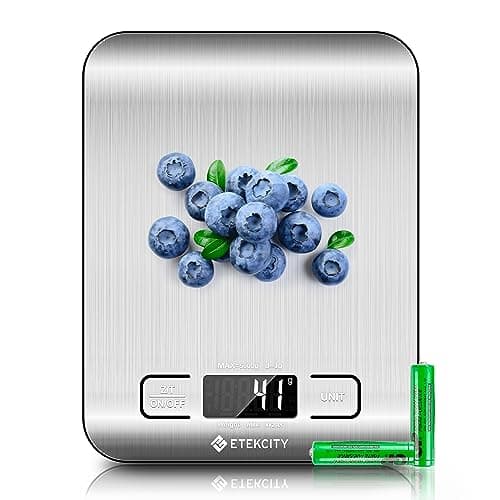
    The Etekcity 11-lb scale gets you baking by weight for a few dollars: gram resolution, a tare button and five units. It gives up a pull-out display and sub-gram precision, but the accuracy that matters is here.

    Top pick: Etekcity 11-lb Digital Food Scale

    Read the full guide →
  • USA Pan Pullman Loaf Pan (13 x 4) review

    Review

    USA Pan Pullman Loaf Pan (13 x 4) review

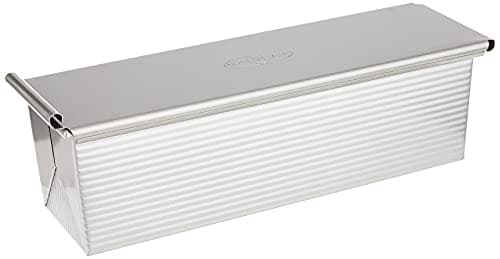
    The USA Pan Pullman pan is heavy aluminized steel with a sliding lid for flat-topped pain de mie. It bakes evenly and lasts, and it's US-made — at a price well above thin store pans, and hand-wash only.

    Top pick: USA Pan Pullman Loaf Pan with Lid (13 x 4 in)

    Read the full guide →
  • Stainless steel mixing bowl set review (Umite Chef)

    Review

    Stainless steel mixing bowl set review (Umite Chef)

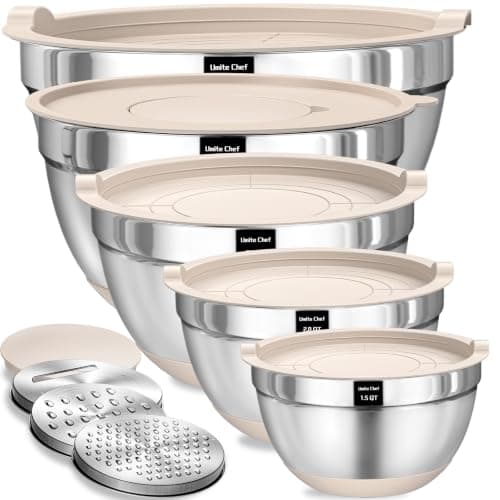
    The Umite Chef set gives you five graduated stainless bowls with airtight lids and non-slip bases for the price of a single premium bowl — a practical backbone for baking, with plastic lids as the main weak point.

    Top pick: Umite Chef Stainless Mixing Bowl Set (with Lids)

    Read the full guide →
  • The baking essentials starter kit

    Roundup

    The baking essentials starter kit

    The five inexpensive tools that improve baking more than any appliance: a scale, a set of mixing bowls, a loaf pan, a dough whisk and a thermometer. Ranked by impact, with live prices.

    Top pick: OXO Good Grips 11-lb Food Scale

    Read the full guide →
  • Danish dough whisk review

    Review

    Danish dough whisk review

    A stiff open-wire coil that cuts through wet, sticky sourdough and no-knead batter without clogging the way a spoon or balloon whisk does. A few dollars, and the best hand tool for the messy first mix.

    Top pick: Danish Dough Whisk

    Read the full guide →
  • Buyer's guide

    Buyer's guide

    How to use a proofing basket (banneton)

    A step-by-step guide to using a banneton: seasoning and flouring it, why the rattan wicks moisture and leaves the spiral, shaping the dough to fit, cold vs room proofing, turning out onto a peel, and cleaning and storage.

    Read the guide →
  • Buyer's guide

    Buyer's guide

    How to measure flour by weight

    Why weighing flour in grams beats scooping cups: the scoop-and-pack error, gram accuracy and the tare button, a plain-English intro to baker's percentages, and a step-by-step how-to with a digital scale.

    Read the guide →
  • Buyer's guide

    Buyer's guide

    How to choose a loaf pan

    Which loaf pan to buy: how aluminized steel, glass, nonstick and silicone bake differently, how to read 1-lb, 1.5-lb and 2-lb sizing, why dark pans brown harder, and when a lidded Pullman pan earns its place.

    Read the guide →
  • Buyer's guide

    Buyer's guide

    How to choose mixing bowls

    A buyer's guide to mixing bowls: what stainless, glass, ceramic and plastic are each best for, how to size a nesting set, when lids and non-slip bases matter, and why a graduated set beats one big bowl.

    Read the guide →
  • Buyer's guide

    Buyer's guide

    How to score sourdough bread

    A technique guide to scoring sourdough: what the cut does for oven spring, the lame vs a knife or razor, how to hold and angle the blade, basic patterns, and the mistakes that make a score drag or fail.

    Read the guide →
  • Buyer's guide

    Buyer's guide

    How to season a banneton proofing basket

    A care guide for rattan bannetons: how to season a new basket so dough releases, the right way to flour and use it, cleaning without soaking or scrubbing, drying to avoid mold, and rice flour vs wheat flour.

    Read the guide →
  • Buyer's guide

    Buyer's guide

    How to clean a banneton

    A care guide for cleaning a rattan banneton: why you never wash it with soap or soak it, how to brush out dried flour, dealing with stuck dough, air-drying fully to prevent mold, and how to store it.

    Read the guide →
  • Buyer's guide

    Buyer's guide

    How to proof bread dough

    A technique guide to proofing bread dough: bulk fermentation vs the final proof, the role of temperature, the poke test, the signs of under- and over-proofing, and cold overnight proofing.

    Read the guide →
  • Buyer's guide

    Buyer's guide

    How to use a bench scraper

    A technique guide to the bench scraper: dividing and portioning dough, gathering and turning sticky dough, lifting shaped loaves, and cleaning the counter - plus metal vs flexible plastic bowl scrapers.

    Read the guide →
  • Buyer's guide

    Buyer's guide

    Is a Danish dough whisk worth it?

    An honest take on the Danish dough whisk: what it does for wet, shaggy doughs, who benefits most (sourdough and no-knead bakers), its real limits, and who can skip it entirely.

    Read the guide →
  • The best baking gifts for home bakers

    Roundup

    The best baking gifts for home bakers

    Thoughtful baking gifts at three budgets. The OXO food scale is the upgrade almost every baker benefits from, the sourdough proofing basket set is the gift for an aspiring bread baker, and the instant-read thermometer is the cheap, universally useful stocking-stuffer. Honest cons on each.

    Top pick: OXO Good Grips 11-lb Food Scale

    Read the full guide →
  • Buyer's guide

    Buyer's guide

    How to use a kitchen scale

    A practical guide to using a digital kitchen scale: taring to zero, weighing ingredients straight into the mixing bowl, adding one at a time with a tare between each, switching between grams and ounces, what resolution means, and calibration and battery quirks.

    Read the guide →
  • Buyer's guide

    Buyer's guide

    How to grease and line a loaf pan

    A practical guide to greasing and lining a loaf pan: butter, oil and spray, the grease-then-flour method, the parchment-paper sling for lift-out, when to grease vs line vs both, nonstick vs uncoated pans, and getting clean corners and a tidy release.

    Read the guide →
  • Buyer's guide

    Buyer's guide

    Glass vs stainless steel mixing bowls

    An honest comparison of glass and stainless steel mixing bowls: glass is see-through, microwave-safe and non-reactive but heavy and breakable; stainless is light, durable and chills well for whipping but can't microwave and hides the contents. Which wins for which job, and why owning both is the real answer.

    Read the guide →
  • Buyer's guide

    Buyer's guide

    How to store flour

    A practical guide to storing flour: airtight containers kept cool, dark and dry; why whole-grain and whole-wheat flour goes rancid faster and belongs in the fridge or freezer; the shelf life of white vs whole-grain; keeping out pantry pests; freezing to kill weevil eggs; labeling; and bringing chilled flour to room temperature before baking.

    Read the guide →
  • Buyer's guide

    Buyer's guide

    How to clean a kitchen scale

    A practical guide to cleaning a digital kitchen scale without damaging it: wiping the surface with a damp cloth rather than submerging it, dealing with flour, sticky and greasy spills, cleaning around the buttons and display, keeping water out of the battery compartment and sensor, and drying it fully before storage.

    Read the guide →
  • Buyer's guide

    Buyer's guide

    How to use a cooling rack

    A practical guide to using a wire cooling rack: why airflow underneath prevents trapped steam and soggy bottoms, when to cool baked goods in the pan first and when to turn them out, how to cool bread, cookies and cakes properly, and the rack's other uses for glazing, draining and roasting.

    Read the guide →
  • Buyer's guide

    Buyer's guide

    How to measure liquids for baking

    A practical guide to measuring liquids for baking accurately: why liquid measuring cups differ from dry ones, reading the meniscus at eye level on a flat surface, why weighing liquids on a kitchen scale is the most precise method, measuring small amounts with spoons, and handling sticky liquids like honey and syrup.

    Read the guide →
  • Buyer's guide

    Buyer's guide

    Do you need a proofing basket?

    An honest look at whether you need a proofing basket (banneton): what it actually does for free-form sourdough and hearth loaves, the spiral pattern and structure it gives, who genuinely benefits, when a bowl lined with a floured towel does the same job, and how to decide based on the bread you bake.

    Read the guide →
  • Buyer's guide

    Buyer's guide

    How to sift flour

    A practical guide to sifting flour: what sifting actually does (aeration and lump removal), when it matters and when you can skip it, the sifter, fine-mesh sieve and whisk methods, why sifting before or after measuring changes the amount you get, sifting cocoa and powdered sugar, and how weighing on a scale removes most of the need.

    Read the guide →
  • Buyer's guide

    Buyer's guide

    How to soften butter quickly

    A practical guide to softening butter quickly without melting it: why softened (not melted) butter is essential for creaming, the cut-into-cubes method, the warm-glass trick, grating cold butter, how to tell when it's at the right cool room temperature, and how to rescue butter that's gone too soft or started to melt.

    Read the guide →
  • The best loaf pans for homemade bread

    Roundup

    The best loaf pans for homemade bread

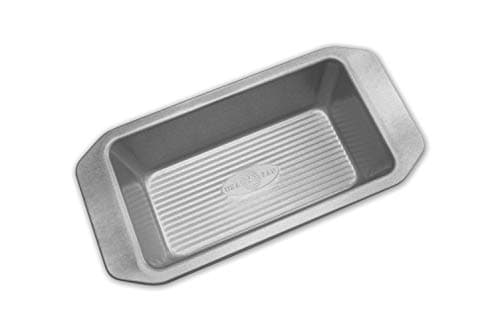
    Six loaf pans ranked by the bread you actually bake. The USA Pan 1-lb is the everyday winner because it is a true 8.5 x 4.5 - the size yeast-bread recipes assume - while the uncoated Chicago Metallic, the bigger Nordic Ware, the lidded Pullman, an OXO glass dish and a set of mini pans each own a job the others can't. Honest cons on all six.

    Top pick: USA Pan American Bakeware Classics 1-lb Loaf Pan (1140LF)

    Read the full guide →
  • The best Dutch ovens for bread baking

    Roundup

    The best Dutch ovens for bread baking

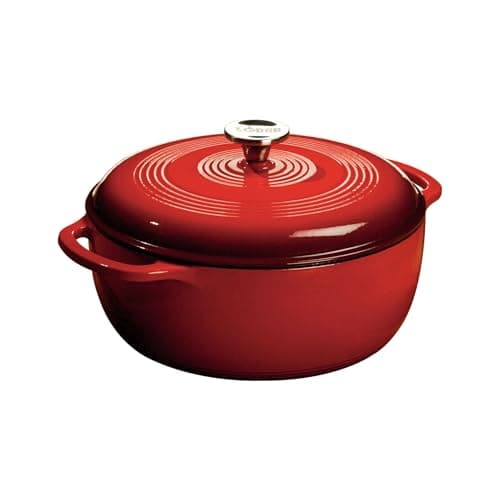
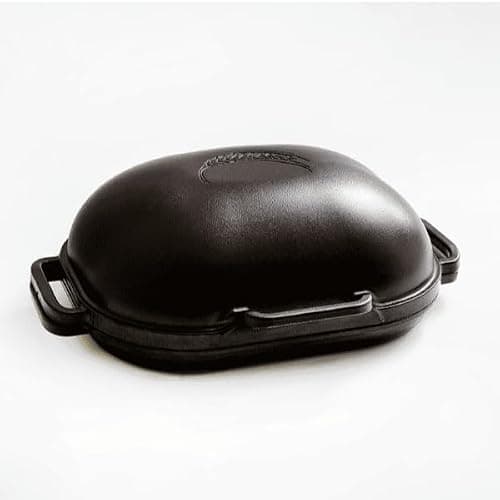
    Six lidded vessels ranked for bread. The 6-qt Lodge Essential Enamel is the winner because it pairs the right volume for a standard boule with a published 500°F ceiling at a fraction of the French price - while the combo cooker, a budget 6.5-qt, a purpose-built Challenger pan, a 7.5-qt and a Le Creuset each own a job the others can't. Honest cons on all six.

    Top pick: Lodge Essential Enamel Cast Iron Dutch Oven, 6 Quart

    Read the full guide →
  • The best baking sheets for cookies and everything else

    Roundup

    The best baking sheets for cookies and everything else

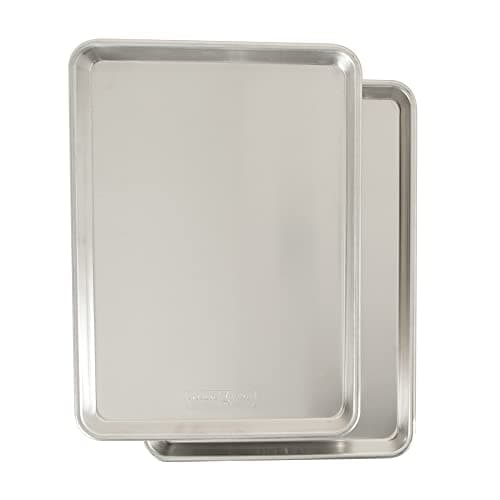
    Six sheet pans ranked by job. The Nordic Ware Naturals two-pack wins because bare aluminum with an encapsulated steel rim browns evenly and will not warp, for less than most single pans - while a PTFE-free USA Pan set, a heavy-duty version, a 550°F ceramic Caraway, a budget Chicago Metallic and a quarter sheet each own a job the others can't. Honest cons on all six.

    Top pick: Nordic Ware Naturals Half Sheet, 2-Pack

    Read the full guide →
  • What size Dutch oven do you need for bread?

    Buyer's guide

    What size Dutch oven do you need for bread?

    Six quarts is right for the standard 500 g boule most recipes make - tight enough walls that the dough climbs rather than spreads. Go to 7.5 quarts only for 900 g to 1 kg loaves, and bear in mind a small loaf in a big pot bakes flatter. How to measure the pot you already own, what to do about batards, and the three sizes worth buying.

    Top pick: Lodge Essential Enamel Cast Iron Dutch Oven, 6 Quart

    Read the full guide →
  • Enameled vs bare cast iron for bread

    Buyer's guide

    Enameled vs bare cast iron for bread

    For most bakers, enameled: no seasoning, no flavour carryover between a braise and a loaf, and a published 500°F ceiling that covers almost every recipe. Choose bare cast iron if you preheat above 500°F, if you want nothing that can chip, or if you want the combo-cooker loading trick. Three vessels compared, with the maintenance each one actually demands.

    Top pick: Lodge Essential Enamel Cast Iron Dutch Oven, 6 Quart

    Read the full guide →
  • Lodge Essential Enamel Dutch oven review

    Review

    Lodge Essential Enamel Dutch oven review

    Buy the 6-quart if you bake a standard 500 g boule - it publishes the same 500°F ceiling and the same stainless knob as pots costing four times as much, and six quarts is the size that makes a loaf climb. Buy the 7.5-quart only for 1 kg loaves or double duty as a braiser. Three real cons: chippable enamel, screaming-hot handles and real weight.

    Top pick: Lodge Essential Enamel Cast Iron Dutch Oven, 6 Quart

    Read the full guide →
  • Challenger Bread Pan review

    Review

    Challenger Bread Pan review

    Worth it if you bake weekly and shape batards or baguettes: the 15.5 x 10.5 in rectangular interior takes loaves no round pot will, and the 11.3-lb lid lifts off sideways so you never reach into a hot well. Not worth it if you bake monthly or shape only rounds - a 6-qt enameled pot does that for a fraction. 20 lb total, and it needs the bare-iron care routine.

    Top pick: Challenger Bread Pan

    Read the full guide →
  • The best baking sheets for cookies

    Roundup

    The best baking sheets for cookies

    For cookies, buy the Nordic Ware Naturals half sheet two-pack: light bare aluminum browns cookie bottoms evenly instead of scorching them, the encapsulated steel rim stops the warping that tips dough into a corner, and two pans is what lets you rotate batches. The USA Pan two-pack is the pick if you refuse to use parchment, the Chicago Metallic is the cheap third pan, and the quarter sheet is for four cookies or a toaster oven.

    Top pick: Nordic Ware Naturals Half Sheet, 2-Pack

    Read the full guide →
  • Aluminum vs nonstick baking sheets

    Buyer's guide

    Aluminum vs nonstick baking sheets

    Bare aluminum is the better baking surface and the better long-term buy: it browns more evenly, it has no coating to lose, and it carries no published temperature ceiling to exceed. Nonstick is the right answer only if you will not use parchment, or if you need a coating made without PTFE. Three picks covering both routes, with the 450°F and 550°F ceilings that quietly rule pans out.

    Top pick: Nordic Ware Naturals Half Sheet, 2-Pack

    Read the full guide →
  • How to keep baking sheets from warping

    Buyer's guide

    How to keep baking sheets from warping

    A sheet pan warps because one part of it heats faster than the rest and the metal expands unevenly - so the fixes are: never put a cold wet pan into a hot oven, never run cold water on a hot pan, don't broil a thin pan, and buy a heavy pan with an encapsulated steel rim. Three picks for anyone whose pans have already buckled, with the rim detail to look for.

    Top pick: Nordic Ware Naturals Half Sheet, 2-Pack

    Read the full guide →
  • What size baking sheet do I need?

    Buyer's guide

    What size baking sheet do I need?

    Buy a half sheet - roughly 18 x 13 inches - because that is the size nearly every recipe and every oven assumes, and buy two of them so you can rotate batches. A full sheet does not fit a domestic oven. A quarter sheet is the genuinely useful second size: toaster ovens, four cookies, a tray of nuts. Three picks and the measurements that decide which fits.

    Top pick: Nordic Ware Naturals Half Sheet, 2-Pack

    Read the full guide →
  • The best loaf pans for sandwich bread

    Roundup

    The best loaf pans for sandwich bread

    For sandwich bread, buy the USA Pan 1-lb loaf pan: a true 8.5 x 4.5-inch interior in heavy aluminized steel, which is the size three-cup-of-flour yeast recipes assume. The Chicago Metallic Commercial II is the same footprint uncoated, for bakers who do not want a coating and want the pan to outlive them. The lidded Pullman is the pick for genuinely square slices, and the Nordic Ware 1.5-lb is the quick-bread pan - not this job.

    Top pick: USA Pan American Bakeware Classics 1-lb Loaf Pan (1140LF)

    Read the full guide →
  • Glass vs metal loaf pan

    Buyer's guide

    Glass vs metal loaf pan

    Use metal for yeast bread: it conducts heat quickly, browns the sides and base properly, and gives you the crust bread is supposed to have. Use glass for things you want to cover and refrigerate - meatloaf, baked oatmeal, a banana bread you will store in the dish - and drop the oven 25°F when you do, per King Arthur's standing advice. Three picks covering both.

    Top pick: OXO Good Grips Glass Loaf Pan with Lid (1.6 qt)

    Read the full guide →
  • Pullman pan vs regular loaf pan

    Buyer's guide

    Pullman pan vs regular loaf pan

    A Pullman pan is a taller, straighter-sided loaf pan with a sliding lid that caps the rising dough, so the loaf bakes into a square-cornered block with a flat top and every slice is the same shape. A regular loaf pan makes a domed loaf and is more versatile, cheaper and the right first pan. Buy the Pullman as a second pan if you slice thin or make pain de mie. Three picks.

    Top pick: USA Pan Pullman Loaf Pan with Lid (13 x 4 in)

    Read the full guide →
  • The best cooling racks for baking

    Roundup

    The best cooling racks for baking

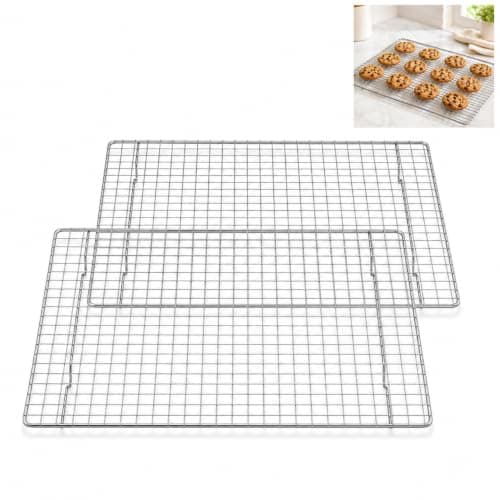
    Buy the Mrs. Anderson's half-sheet pair: two racks, a published 500°F oven rating - the highest here - and a tight cross-wire weave that holds small bakes without letting them through. The USA Pan bakeable rack is the pick if you roast on the rack as often as you cool on it, the Nordic Ware grid is the cheapest single rack worth owning, and the 25-inch Winco is the one to buy when a half sheet is simply too small.

    Top pick: Mrs. Anderson's Baking Professional Half Sheet Cooling Rack, Set of 2

    Read the full guide →
  • The best cake pans for layer cakes

    Roundup

    The best cake pans for layer cakes

    Buy the Fat Daddio's 8 x 3 in two-pan set: 16-gauge anodized aluminum, seamless straight sides, a published 550°F rating and no coating to peel. The USA Pan 9-inch nonstick is the easier pan to live with and the size most American recipes assume, the Nordic Ware Naturals 2-pack is the value answer with a lifetime warranty, and the Chicago Metallic Commercial II is the cheap coated pan you can put in the dishwasher.

    Top pick: Fat Daddio's PRD-83SET Anodized Aluminum Round Cake Pans, 8 x 3 in, 2-Piece Set

    Read the full guide →
  • The best bakeware without a nonstick coating

    Roundup

    The best bakeware without a nonstick coating

    If you want bakeware with no coating to scratch, blister or wear off, start with the Nordic Ware Naturals half sheet 2-pack - bare aluminum with an encapsulated steel rim and a lifetime warranty. Fat Daddio's anodized pans cover cake, Chicago Metallic's uncoated Commercial II covers loaves, and Nordic Ware's 9-inch pair covers layers. All four need greasing or parchment every bake; in exchange they are effectively permanent.

    Top pick: Nordic Ware Naturals Half Sheet, 2-Pack

    Read the full guide →
  • Parchment paper vs silicone baking mats

    Buyer's guide

    Parchment paper vs silicone baking mats

    Use parchment for most baking: it lets the pan brown the base, it handles higher heat than a silicone mat's typical rating, and you can cut it, sling it and bin it. Use a silicone mat for anything sticky or sugary that needs grip, and for repeat batches where the waste adds up. Parchment wins for crisp-bottomed cookies; the mat wins for caramel and macarons.

    Top pick: Nordic Ware Naturals Half Sheet, 2-Pack

    Read the full guide →
  • OXO Good Grips glass loaf pan review

    Review

    OXO Good Grips glass loaf pan review

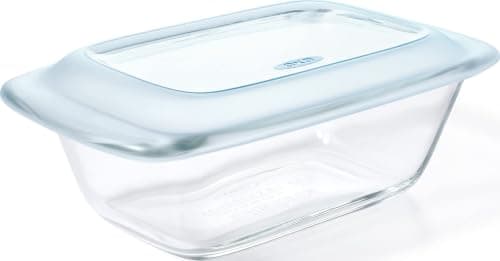
    OXO's 1.6-quart borosilicate glass loaf pan is built for the bakes you cover and put away: banana bread, meatloaf, a baked pate. The slosh-proof lid turns the dish into a container, it handles freezer-to-oven temperature swings, and it is dishwasher safe. Glass bakes slower than metal, so drop the oven 25F - and buy a steel pan instead if crusty yeast bread is the job.

    Top pick: OXO Good Grips Glass Loaf Pan with Lid (1.6 qt)

    Read the full guide →
  • Fat Daddio's cake pan review (8 x 3, 2-pack)

    Review

    Fat Daddio's cake pan review (8 x 3, 2-pack)

    Fat Daddio's PRD-83SET is two 8 x 3-inch pans in 16-gauge anodized aluminum, published at 5 cups each with a 550F rating and a lifetime warranty. Three inches of depth bakes a layer tall enough to split in half, and seamless straight sides stack square. The catch is that anodized aluminum is not a release surface - grease and line it every time, and hand wash it.

    Top pick: Fat Daddio's PRD-83SET Anodized Aluminum Round Cake Pans, 8 x 3 in, 2-Piece Set

    Read the full guide →
  • The best muffin pans for muffins and cupcakes

    Roundup

    The best muffin pans for muffins and cupcakes

    Buy the USA Pan 12-well muffin pan: aluminized steel, Americoat nonstick, a published 450°F ceiling, a lifetime limited warranty and - crucially - 2.75-inch wells, the size American recipes and paper liners are built around. The Chicago Metallic Commercial II is the best coated pan per dollar, the uncoated Nordic Ware commercial pan is the 500°F pick with nothing on it to wear out, and the Wilton Gold is the cheapest honest option, with narrower 2-inch wells you should know about first.

    Top pick: USA Pan Bakeware Muffin Pan, 12-Well (1200MF)

    Read the full guide →
  • The best bundt pans

    Roundup

    The best bundt pans

    Buy the 12-cup Nordic Ware Original: cast aluminum, published 425°F, made in the USA, and the capacity almost every bundt recipe is written for. The 15-cup Anniversary is for doubled and pound-cake recipes, the 10-cup Heritage is the decorative pan that still bakes every week, the USA Pan fluted tube is the aluminized-steel alternative with a published 450°F ceiling and the easiest release, and the Wilton Gold is the cheapest honest way into the shape.

    Top pick: Nordic Ware Original Bundt Pan, 12 Cup (Graphite)

    Read the full guide →
  • The best springform pans for cheesecake

    Roundup

    The best springform pans for cheesecake

    Buy the USA Pan leak-proof springform: it is the only pick here with published seals - an o-ring in a groove on the base plus silicone seals in the sidewall edges, latching onto an oversized base - in aluminized steel rated to 450°F with a lifetime limited warranty. The Fat Daddio's PCC-93 is a push pan with no hinge to fail and a full 3 inches of depth, the Chicago Metallic is the cheapest tall pan worth owning, and the Wilton Platinum is the budget pick that still publishes its numbers.

    Top pick: USA Pan Leak-Proof Nonstick Springform Pan, 9 in (1086SF)

    Read the full guide →

Questions

Frequently asked

Do I really need a kitchen scale to bake?
You can bake without one, but a scale is the single biggest consistency upgrade available. Weighing flour removes the largest source of variation between batches, which is why professional and modern recipes are written in grams.
Is a flex-edge beater worth it?
For a tilt-head stand mixer, yes — the silicone edge scrapes the bowl as it mixes, so you stop pausing to scrape by hand and get more even creaming. Confirm it fits your bowl size before buying.

Receipts

Sources

We don't run a testing lab, and we don't pretend to. Specs are the manufacturer's published figures, cited above; scores are our judgments from that research. Where we couldn't verify something, we say so on the page rather than quietly leaving it out. Read our full method.