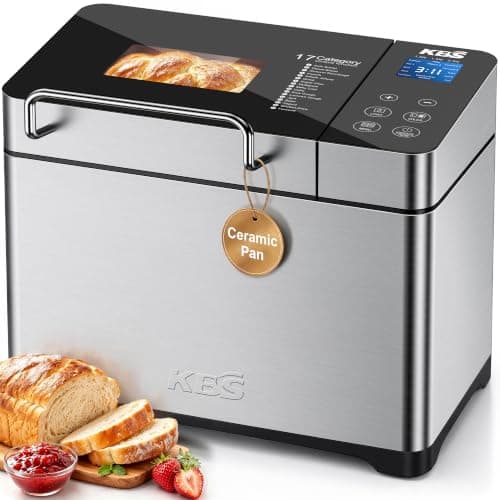
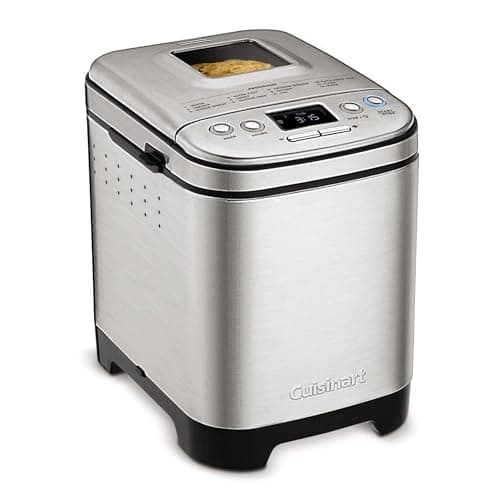
For most buyers, the Cuisinart CBK-110 is the one to get. Not because it out-specs the KBS — it does not, and it is not close — but because a bread machine is a motor, a heating element and a gearbox that you intend to run for three hours at a time, repeatedly, for years, and the brand with the longer track record is the safer home for that bet. Buy the KBS 17-in-1 instead if you want features you would otherwise pay premium money for — an automatic fruit-and-nut dispenser, a viewing window with an interior light, 17 programs including jam and yogurt — and you are comfortable with a brand whose long-term reliability record is simply shorter.
This is a genuine trade rather than a soft one, and the honest headline is that the two machines are aimed at different kinds of buyer. The Cuisinart is a fewer-features, known quantity. The KBS is a more-features, less-proven quantity. Neither is the wrong answer; the question is which risk you would rather carry.
What the KBS gives you that the Cuisinart does not
An automatic fruit-and-nut dispenser. This is the headline, and it is a real feature rather than a spec-sheet one. A dispenser holds raisins, nuts or seeds in a hopper and drops them into the dough late in the knead, which is the only way to get them distributed through the loaf without them being pulverised by the paddle in the first ten minutes. On a machine without one, you stand by the machine and add them at the beep. The only other machine on this page with a dispenser is the Breville, which costs several times as much. If you bake raisin bread or seeded loaves regularly, this feature alone can decide the purchase — our guide to adding fruit and nuts covers the manual method if you skip it.
Seventeen programs against twelve. Both machines cover the cycles that matter: basic, whole wheat, French, sweet, gluten-free, dough-only and bake-only. The KBS adds jam and yogurt among others. Be honest with yourself about whether you will use them. Most owners of both machines use three cycles and ignore the rest, and a program count is the cheapest thing a manufacturer can add to a box.
A window and an interior light. Trivial until you are learning, at which point being able to look at the dough ball during the knead is the fastest way to work out whether your flour-to-water ratio is right. A dough that is too wet slumps; too dry and it thumps around as a hard ball. See why didn't my bread machine loaf rise for what you are looking for.
What the Cuisinart gives you that the KBS does not
A support structure. Cuisinart has a US parts and service operation, a manual written in native English, and a model number you can look up in five years. The KBS manual is rough in places — translated, with instructions that take a second reading — and the brand's longevity record is short enough that we will not claim either way how the machine does at year five, because nobody can.
A smaller footprint. The CBK-110 is the compact machine in this field, and it is built to fit under a standard cabinet. If the machine is going to live on the counter rather than in a cupboard, that matters daily. If it is going in a cupboard, see how to store a bread machine.
Three crust shades and three loaf sizes. The practical controls, rather than the exotic ones. Crust shade is the setting you will actually change — most people run one shade lighter than default once they have tasted the default.
Published specifications, side by side
| Specification | Cuisinart CBK-110 | KBS 17-in-1 |
|---|
| Programs | 12 | 17 |
| Max loaf size | 2 lb | 2 lb |
| Loaf sizes | Three | Multiple to 2 lb |
| Crust shades | Three | Multiple |
| Fruit & nut dispenser | No | Yes |
| Viewing window / light | Window | Window + interior light |
| Delay timer | 13 hours | Yes |
| Pan orientation | Vertical, single paddle | Vertical, single paddle |
| Gluten-free cycle | Yes | Yes |
Figures above are the manufacturers' published claims, cited in Sources below. We have not stripped either machine down and we do not run a lab — how we pick says so in those words. Note the bottom rows: both machines are vertical single-paddle designs, so both bake a tall loaf with a hole in the base. Neither is the machine to buy if slice shape is the point; that is the best bread machine for sandwich bread.
How to decide, in three questions
1. How long do you intend to own it?
This is the whole comparison in one question. If you are buying a machine to find out whether you like baking bread, buy on features, because the downside of a machine that fails in year four is small when you were not sure you would still be using it in year two — and the KBS gives you more to play with. If you are buying the machine you intend to keep, buy on track record, because a dispenser is poor compensation for a dead gearbox. Our are bread machines worth it page is worth reading first if you have not decided whether you will use it at all.
2. What are you actually going to bake?
Plain white and whole wheat loaves: both machines are the same machine for your purposes, and you should buy on price and footprint. Raisin bread, seeded loaves or anything with inclusions: the KBS dispenser is worth real money. Gluten-free: both have a dedicated cycle, and the deciding factors are elsewhere — see the best bread machines for gluten-free bread. Dough only, for shaping and oven baking: both have a dough cycle and neither has an advantage.
3. Is the step up worth it?
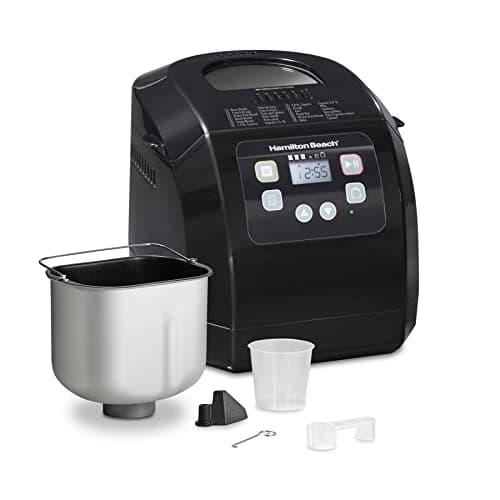
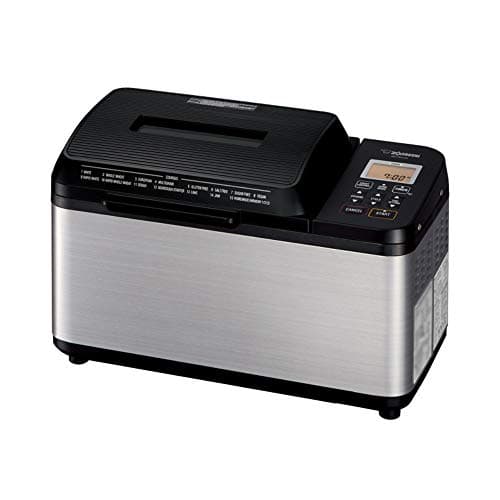
Below both of these sits the Hamilton Beach 29882, which is the cheapest capable machine we rank and the right answer if the budget is the hard constraint — 12 programs, an express bake, gluten-free, and a thin pan with limited crust control. Above both sits the Zojirushi Virtuoso Plus, which is the only machine in this comparison with dual heaters and a horizontal two-paddle pan, and the only one we would describe as better rather than cheaper. If the gap between the KBS and the Zojirushi is money you could find, read Zojirushi vs KBS before you decide, because the honest answer is that the Zojirushi is a materially better machine and the KBS is a materially better deal.
Three things neither machine will fix
The paddle hole
Both are single-paddle vertical machines, so both bake the paddle into the base of the loaf and leave a hole when you pull it out. This is not a defect and no setting changes it. The full explanation is in why my bread machine has a hole in the bottom.
A crust like an oven's
Neither machine has a top heating element, so neither browns the top of the loaf the way an oven does. You get a pale crown and a darker base, which is the most recognisable bread-machine tell there is. The only machines that fix this have dual heaters, and on this page that means the Zojirushi. If you want a crackling artisan crust more than you want convenience, bread machine vs oven-baked bread is the page that should decide your purchase.
Measuring by volume
More bread-machine failures come from a mis-measured cup of flour than from anything the machine did. A cup of flour can vary by 20 percent depending on how you scoop it, and a bread machine has no way to compensate. Weigh the flour — it is a five-minute habit and it eliminates most of the troubleshooting pages on this site at a stroke. See how to measure flour by weight and do you need a kitchen scale for baking.
The short version
Buying for keeps, or buying for someone who will not want to troubleshoot: Cuisinart CBK-110. Buying for features per dollar, or baking a lot of fruit and seeded loaves: KBS 17-in-1. Buying on the tightest possible budget: Hamilton Beach 29882. Buying the best machine rather than the best deal: Zojirushi Virtuoso Plus. The full field, ranked, is in the best bread machines overall.